
Does a Polycarbonate Roof Get Hot? A Detailed Guide for Those Planning Installation
Does a Polycarbonate Roof Get Hot?
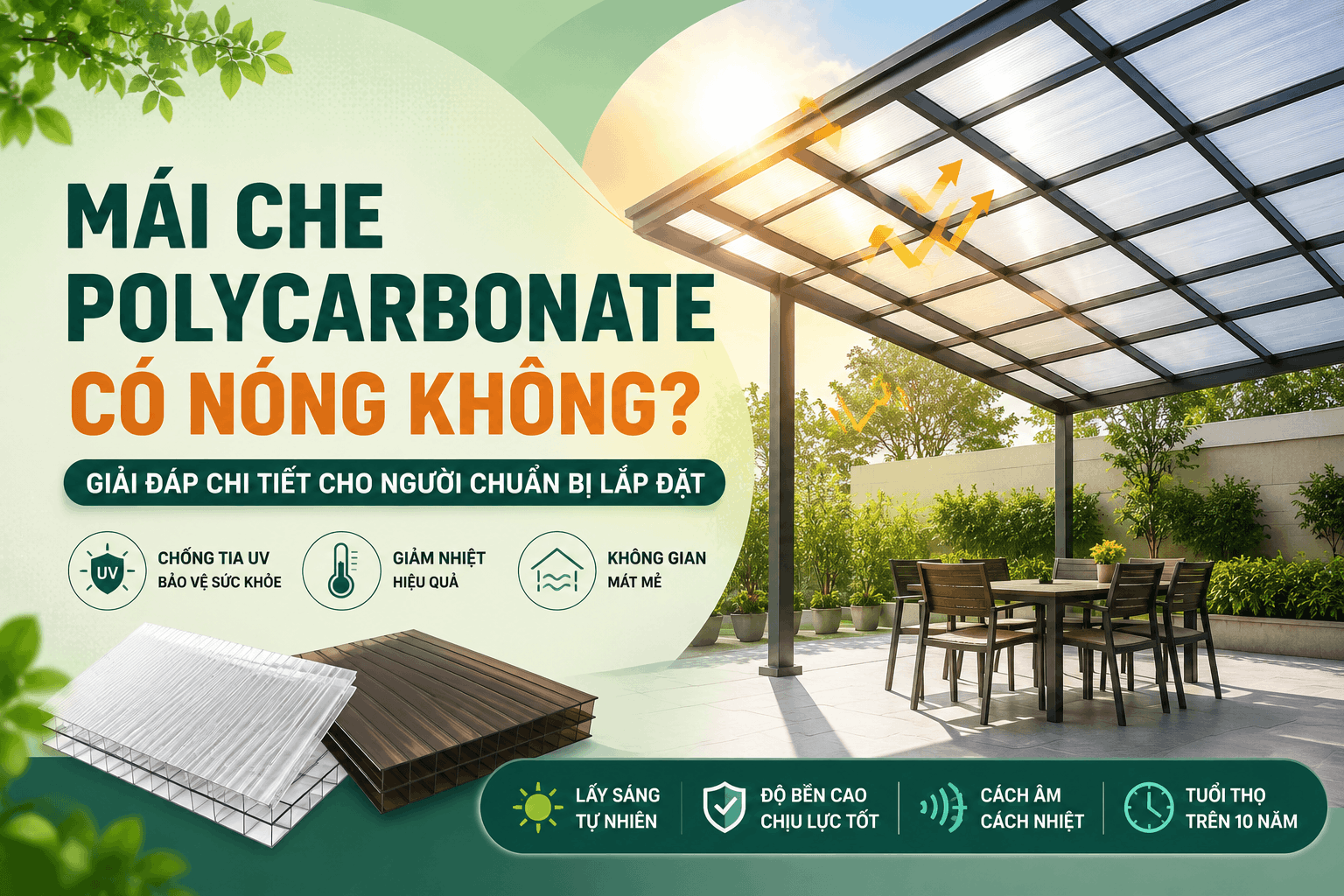
This is one of the most common questions customers ask when choosing roofing materials for patios, carports, swimming pools, skylights, factories, and other outdoor structures.
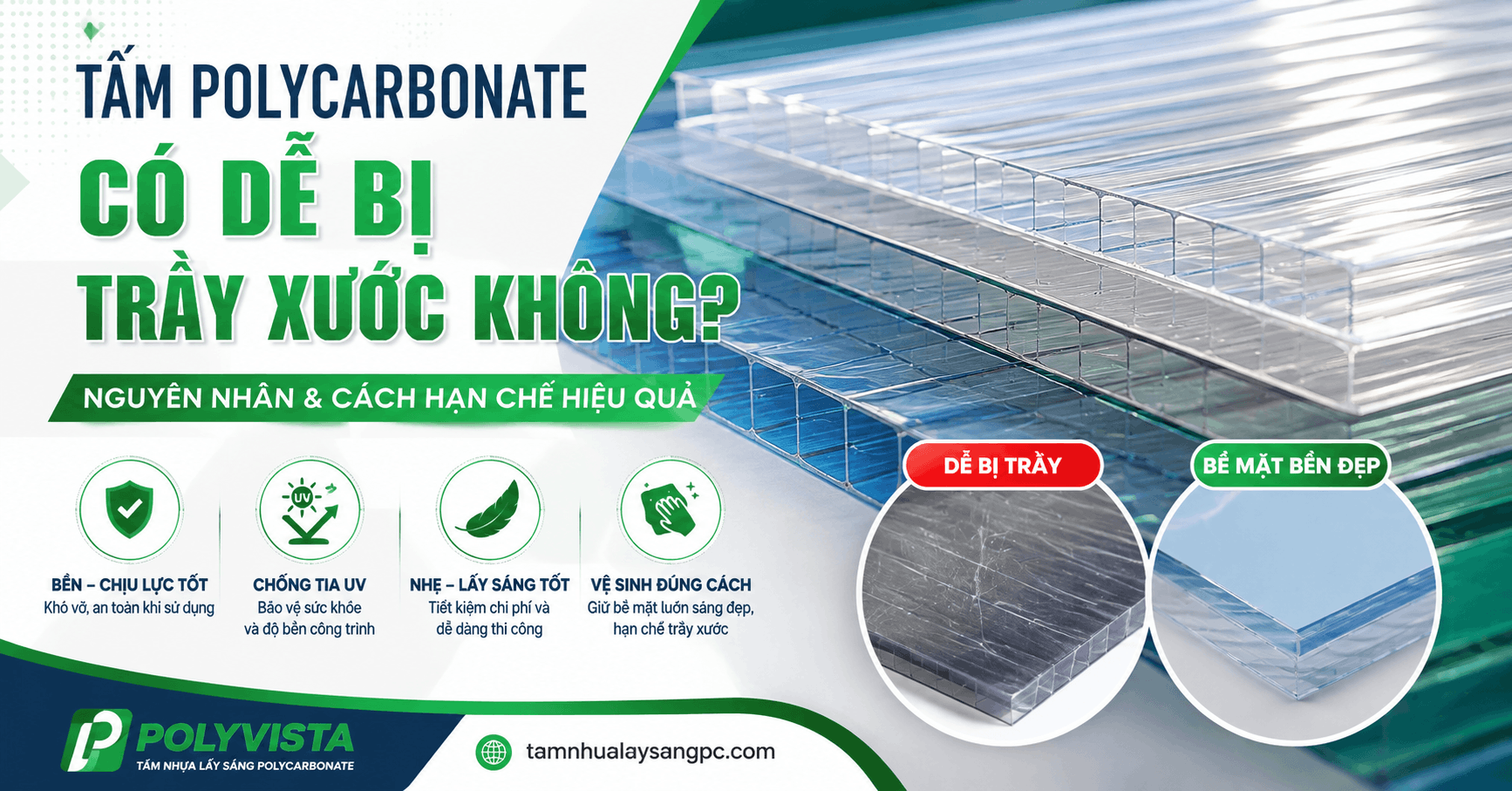
In reality, Polycarbonate roofing absorbs some heat from sunlight, just like any other daylight-transmitting material. However, thanks to its UV-resistant technology and excellent light transmission properties, Polycarbonate sheets significantly reduce heat buildup beneath the roof compared to many traditional roofing materials.
When the right type of Polycarbonate sheet is selected and installed correctly, the space underneath can remain noticeably cooler than areas covered by metal roofing or conventional translucent materials.
Why Are Many People Concerned About Polycarbonate Roofs Getting Hot?
Because Polycarbonate is transparent or semi-transparent, many people assume that direct sunlight passing through the material will make the area underneath excessively hot.
In fact, the heat level depends on several factors:
- Type of Polycarbonate sheet used
- Sheet thickness
- Sheet color
- Quality of the UV protective coating
- Roof coverage area
- Building orientation and sun exposure
Therefore, not all Polycarbonate roofing systems provide the same level of thermal insulation.
Heat-Reduction Performance of Polycarbonate Sheets
1. UV Protective Coating
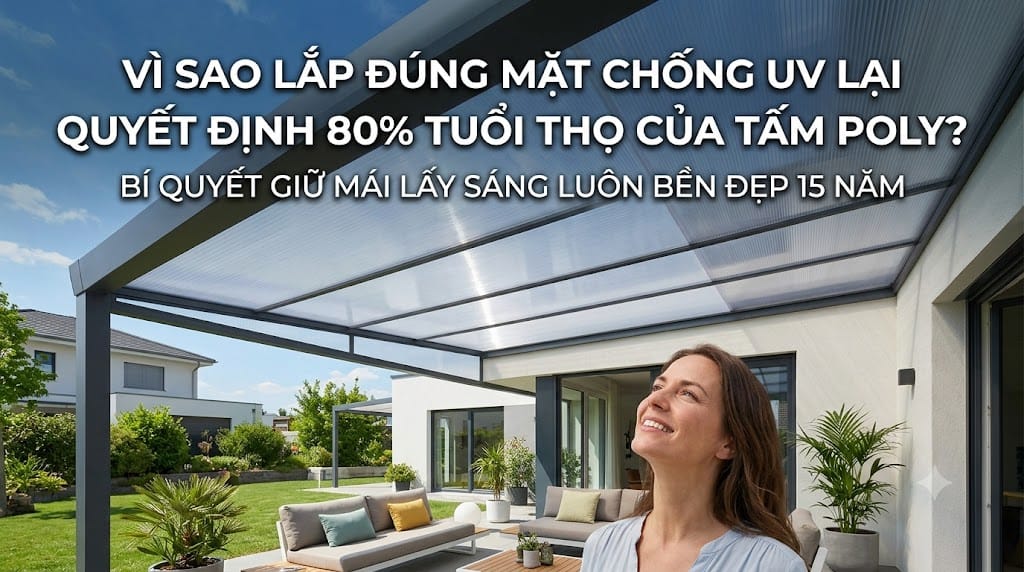
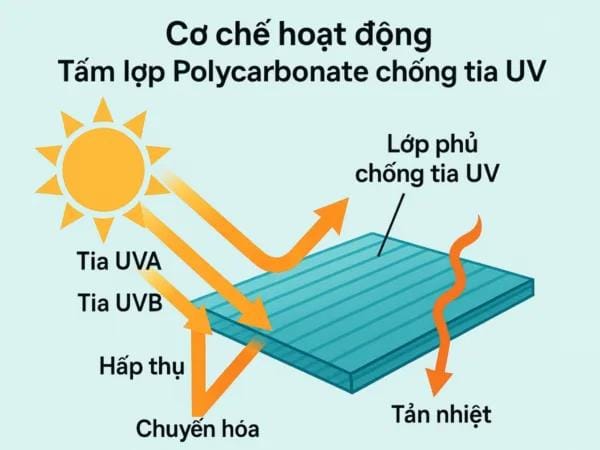
Most high-quality Polycarbonate sheets are manufactured with a UV-resistant coating on the surface.
This protective layer helps:
- Block the majority of harmful ultraviolet rays
- Reduce heat absorption
- Protect users from UV exposure
- Extend the lifespan of the material
2. Allows Natural Light While Limiting Heat Transfer
Polycarbonate allows natural daylight to pass through, but this does not mean that all solar heat is transferred into the space below.
Thanks to its unique material structure, Polycarbonate helps:
- Reduce solar heat radiation
- Minimize greenhouse effects
- Lower daytime lighting energy consumption
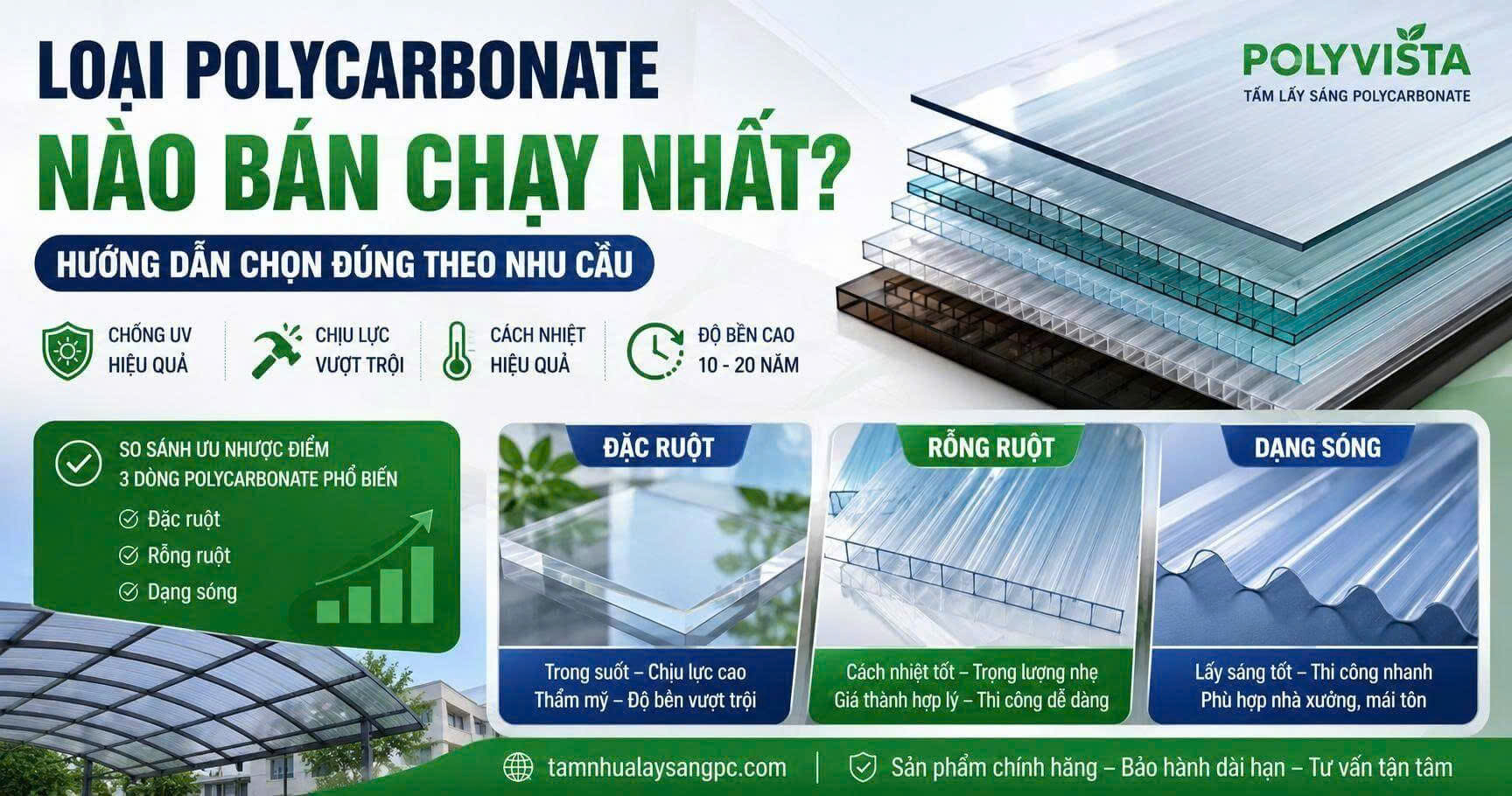
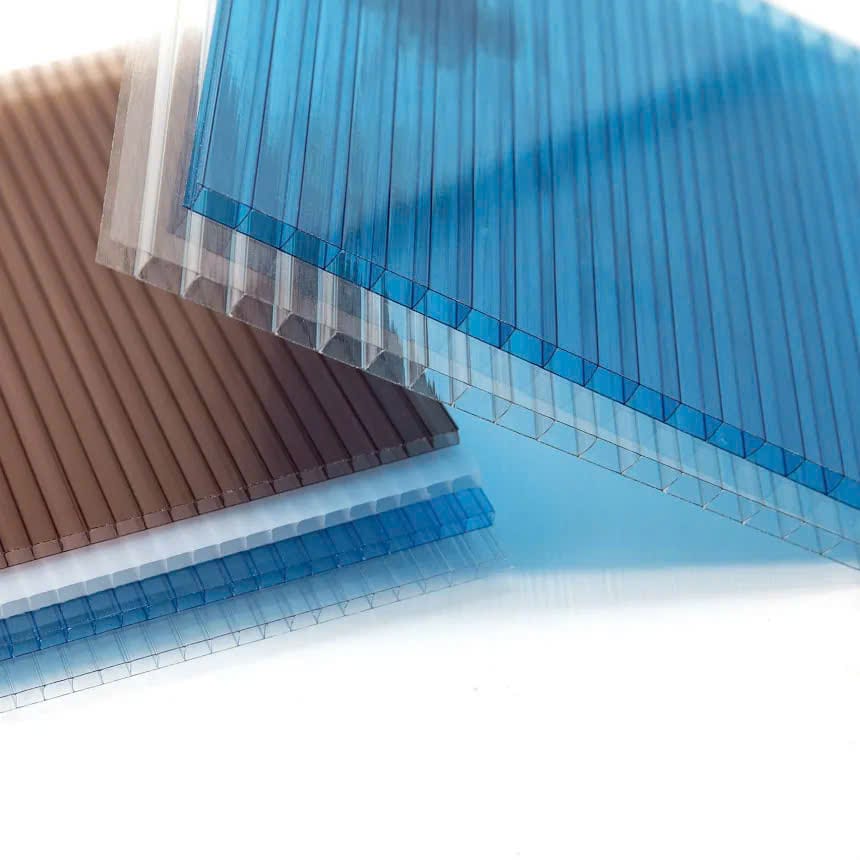
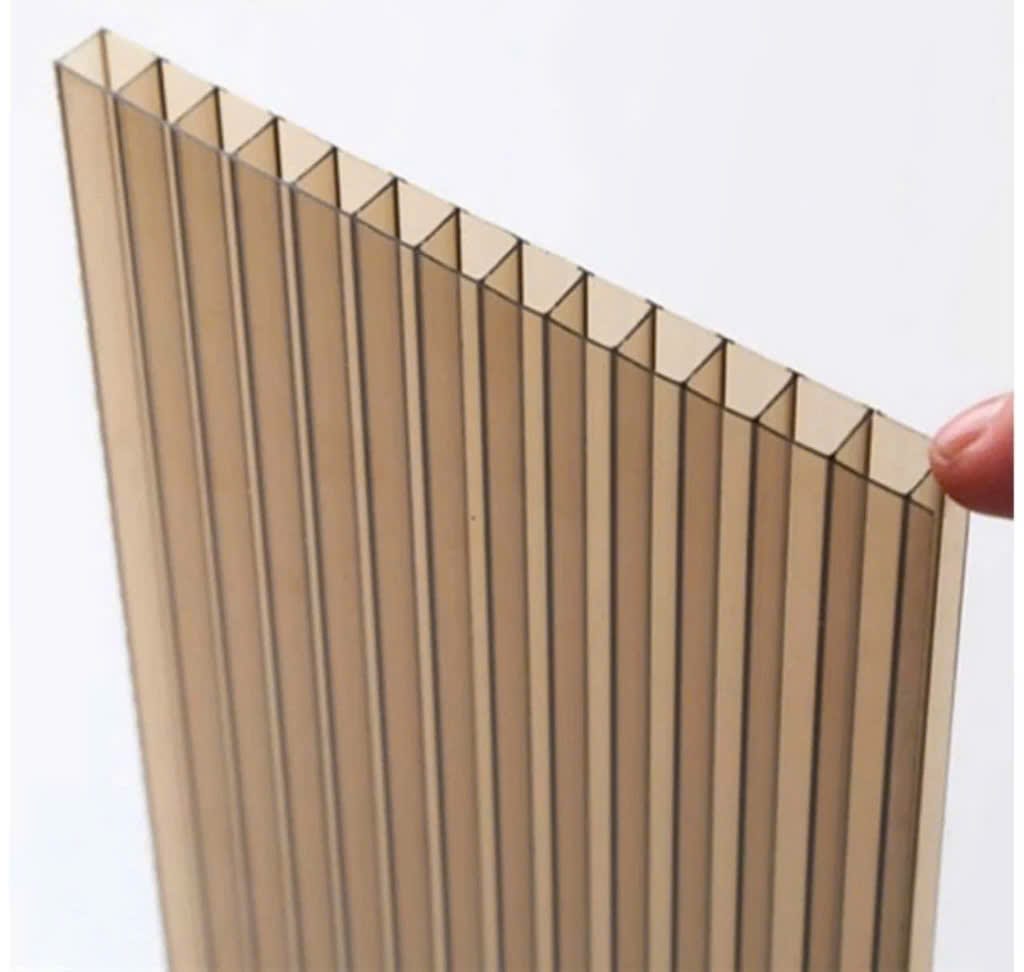
3. Multiwall Polycarbonate Offers Better Thermal Insulation
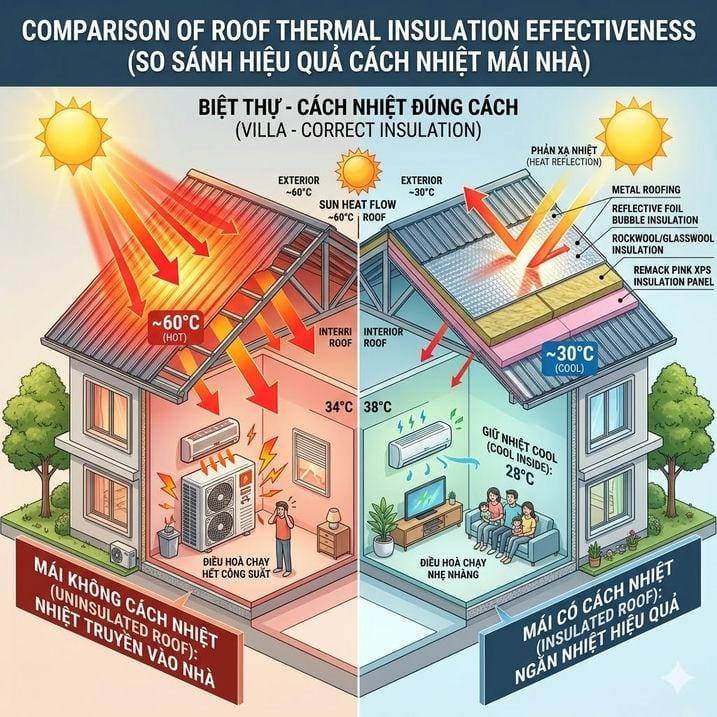
Multiwall Polycarbonate sheets feature internal air chambers.
These air pockets act as natural insulation layers that help:
- Reduce heat transfer
- Limit heat absorption from the environment
- Improve energy efficiency
This makes them an ideal choice for:
- Greenhouses
- Canopies
- Skylights
- Industrial buildings
- Shopping malls and commercial centers
Comparing Heat Performance: Polycarbonate vs. Other Materials
| Material | Light Transmission | Heat Reduction Performance |
|---|---|---|
| Metal Roofing | No | Low |
| Tempered Glass | High | Moderate |
| Acrylic Sheets | High | Moderate |
| FRP Roofing Sheets | Moderate | Moderate |
| Multiwall Polycarbonate | High | Good |
| UV-Coated Polycarbonate | High | Excellent |
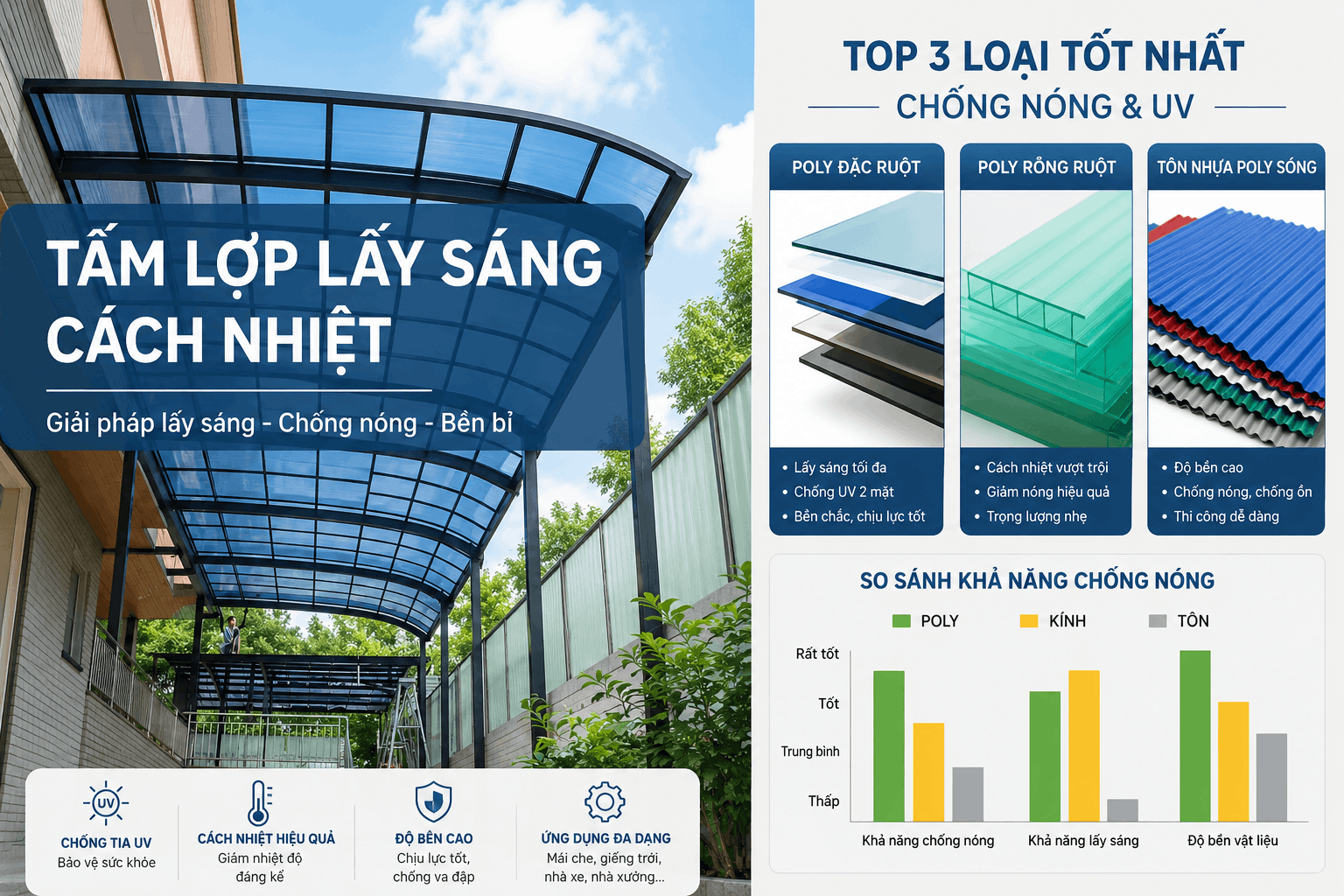
As shown above, Polycarbonate is one of the most effective daylighting materials, offering an excellent balance between natural light transmission and heat reduction.
Which Type of Polycarbonate Provides the Best Heat Protection?
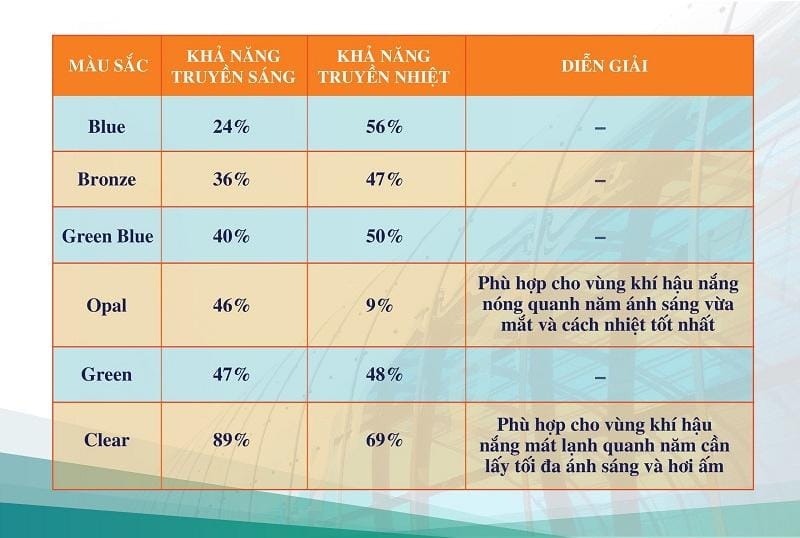
Bronze Polycarbonate Sheets
- Reduce intense sunlight
- Minimize glare
- Lower heat buildup
Blue Polycarbonate Sheets
- Create a cooler visual effect
- Reduce solar radiation
Multiwall Polycarbonate Sheets
- Superior thermal insulation
- Ideal for hot climates
Premium UV-Coated Polycarbonate Sheets
- Excellent UV protection
- Better resistance to weathering and aging
- Improved heat reduction compared to standard sheets
How to Make a Polycarbonate Roof Cooler
To maximize heat reduction performance, consider the following recommendations:
- Choose genuine UV-coated Polycarbonate sheets
- Use bronze or blue sheets instead of completely clear sheets
- Prefer multiwall Polycarbonate for large roofing areas
- Incorporate natural ventilation systems
- Combine with shading louvers or landscaping
- Follow proper installation guidelines and roof slope requirements
Conclusion
Does a Polycarbonate Roof Get Hot?
The answer is yes—it does absorb some heat, but significantly less than many conventional roofing materials when the correct product is selected and installed properly.
With its ability to provide natural daylight, block UV rays, reduce solar heat radiation, and offer long-term durability, Polycarbonate has become a preferred solution for residential and commercial applications such as patios, carports, swimming pools, skylights, and industrial buildings.
If you are looking for an efficient daylighting solution that helps save energy while reducing heat buildup, high-quality Polycarbonate sheets are definitely worth considering.