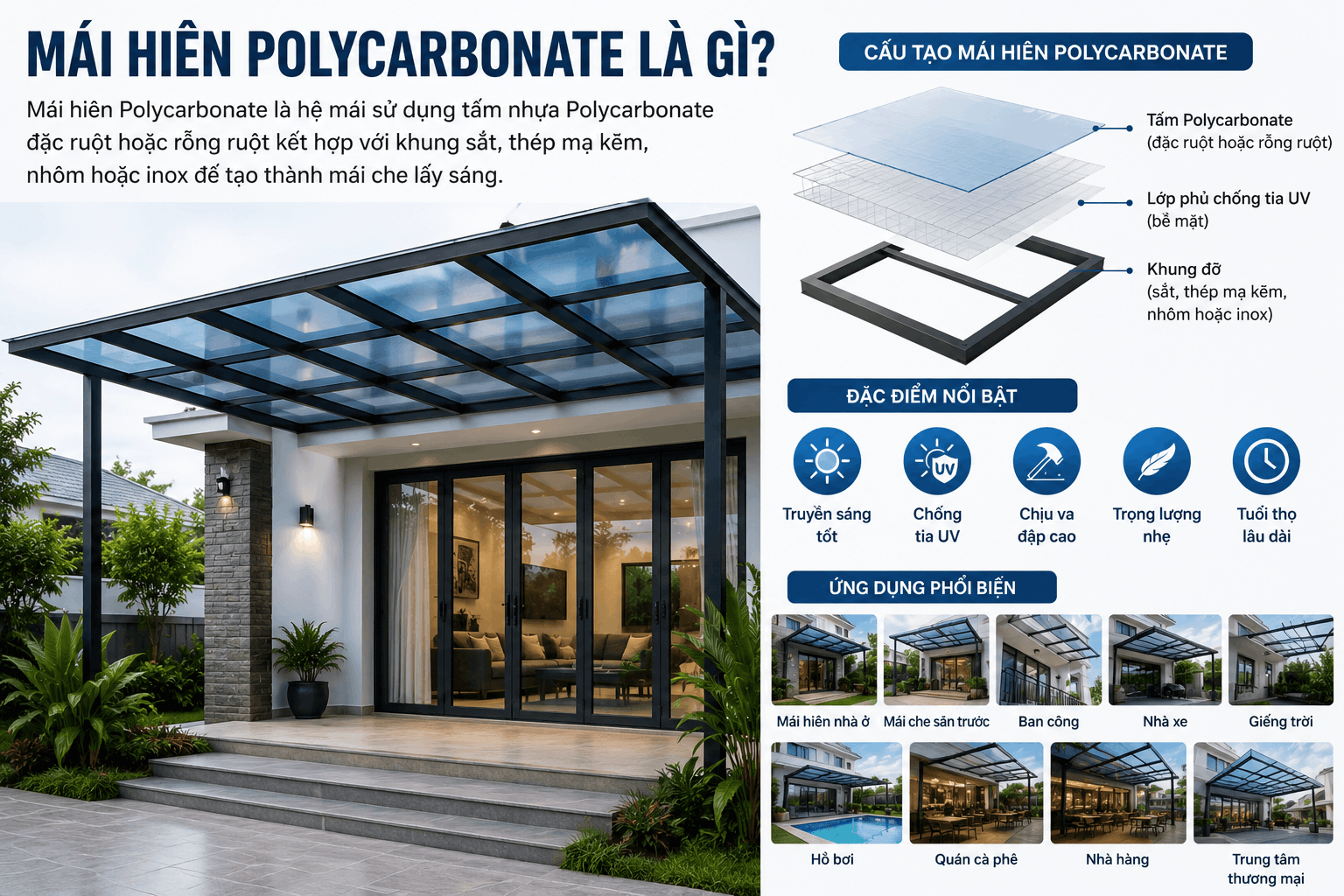

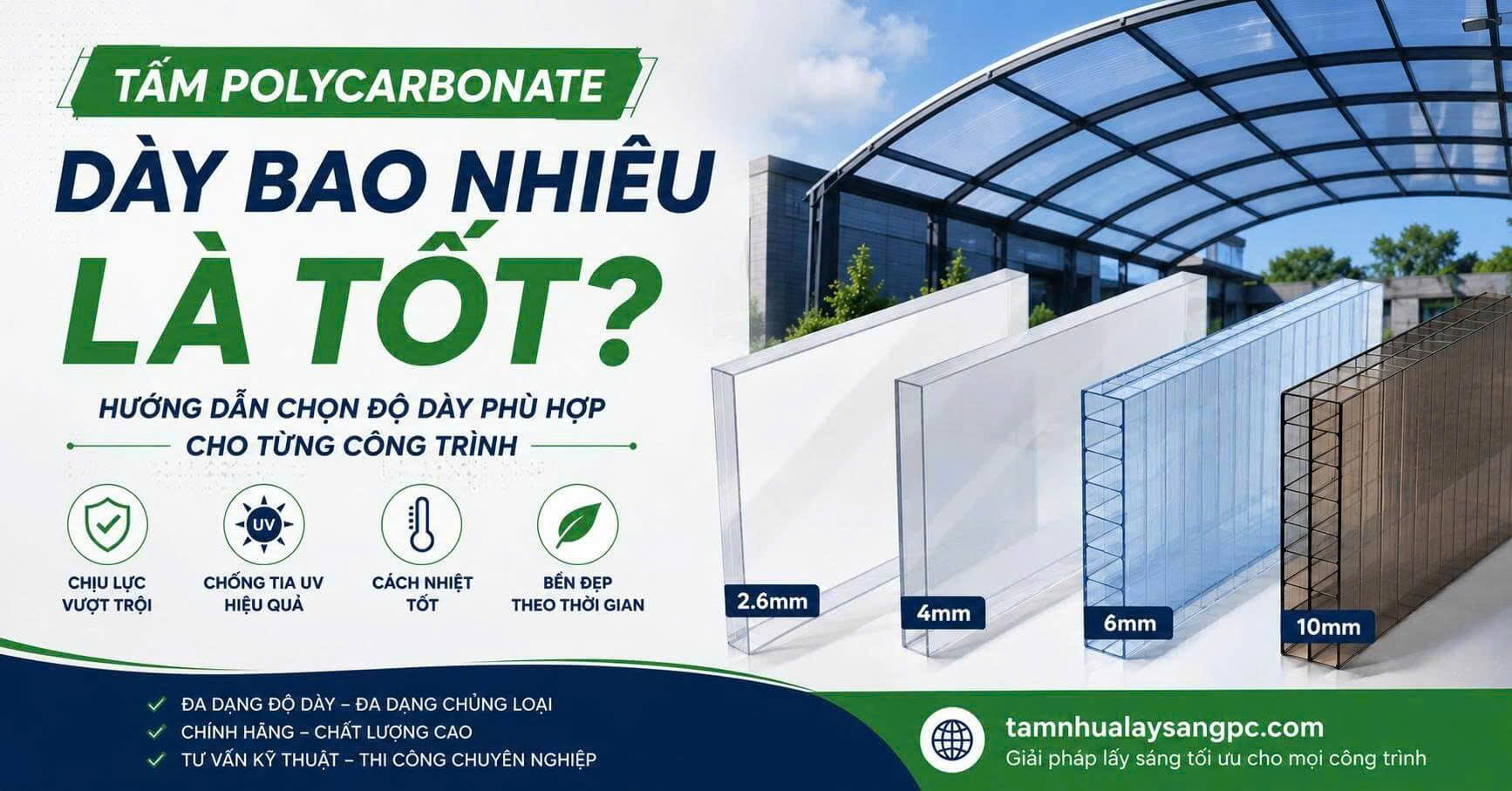
What Is the Best Polycarbonate Sheet Thickness? A Guide to Choosing the Right Thickness for Every Project
What Is the Best Polycarbonate Sheet Thickness?
When choosing polycarbonate sheets for canopies, skylights, carports, or daylighting walls, one of the most common questions is:
"What is the best thickness for a polycarbonate sheet?"
In reality, there is no single thickness that is ideal for every application. Each project has different requirements for impact resistance, structural strength, light transmission, thermal insulation, and budget.
Selecting the appropriate sheet thickness not only extends the lifespan of your project but also helps optimize your investment.
In this guide, we'll explain how to choose the right polycarbonate sheet thickness based on your specific application.
Why Is Polycarbonate Sheet Thickness Important?
The thickness of a polycarbonate sheet directly affects:
- Load-bearing capacity
- Outdoor durability
- Impact resistance
- Thermal and sound insulation
- Material cost
- Required purlin spacing during installation
Choosing a sheet that is too thin for a large structure may result in sagging or reduced service life. On the other hand, selecting an overly thick sheet for a small project can unnecessarily increase costs.
Common Polycarbonate Sheet Thicknesses
Solid Polycarbonate Sheets
Common thicknesses include:
- 2 mm
- 2.6 mm
- 3 mm
- 4 mm
- 5 mm
- 6 mm
- 8 mm
- 10 mm
- 12 mm
Suitable for:
- Patio canopies
- Terrace roofs
- Carports
- Skylights
- Shopping mall roofs
- Public buildings
Multiwall (Hollow) Polycarbonate Sheets
Common thicknesses:
- 4 mm
- 6 mm
- 8 mm
- 10 mm
- 16 mm
Advantages:
- Excellent thermal insulation
- Lightweight
- Cost-effective
- Ideal for large roofing areas
Corrugated Polycarbonate Sheets
Common thicknesses:
- 0.8 mm
- 1.0 mm
- 1.2 mm
- 1.5 mm
- 2.0 mm
Common applications:
- Industrial factories
- Greenhouses
- Daylighting roofs combined with metal roofing
Which Thickness Should You Choose?
Residential Patio Canopies
Recommended:
- 2.6–4 mm solid polycarbonate sheets
Benefits:
- Attractive appearance
- Good impact resistance
- High light transmission
- Cost-effective
Carports
Recommended:
- 4–6 mm solid polycarbonate
- 6–8 mm multiwall polycarbonate
For areas with heavy rainfall or strong winds, thicker sheets are recommended for improved structural stability.
Skylights
Recommended:
- 4–6 mm solid polycarbonate
Reasons:
- Excellent transparency
- UV protection
- High impact resistance
- Premium appearance
Agricultural Greenhouses
Recommended:
- 6–10 mm multiwall polycarbonate
Advantages:
- Superior thermal insulation
- Lower indoor temperatures
- Improved energy efficiency
Industrial Buildings
Recommended:
- 8–10 mm multiwall polycarbonate
- 1.2–1.5 mm corrugated polycarbonate
These options provide an excellent balance between performance and cost.
Does Thickness Affect the Price?
Yes.
Generally:
- Thicker sheets cost more.
- However, they also provide better structural strength and longer service life.
Instead of simply choosing the lowest-priced option, select a thickness that best matches your project's actual requirements.
Common Mistakes When Choosing Polycarbonate Sheet Thickness
Choosing Based Only on Price
Many buyers purchase thinner sheets to reduce upfront costs, only to replace them later due to sagging, cracking, or deformation.
Ignoring Purlin Spacing
If purlins are spaced too far apart while using thin sheets, the roof's load-bearing capacity will be significantly reduced.
Overlooking UV Protection
Thickness alone does not determine durability.
A genuine UV-coated polycarbonate sheet will retain its appearance and last much longer in outdoor environments.
Buying from Unverified Suppliers
Some low-quality products are thinner than their advertised specifications, which can compromise project performance.
Always verify the technical specifications and purchase from reputable suppliers.
Recommended Thickness by Application
| Application | Recommended Thickness |
|---|---|
| Patio canopy | 2.6–4 mm |
| Carport | 4–6 mm |
| Skylight | 4–6 mm |
| Greenhouse | 6–10 mm |
| Industrial roofing | 8–10 mm |
| Corrugated daylighting roof | 1.2–1.5 mm |
Conclusion
What is the best polycarbonate sheet thickness?
The answer depends on your project's purpose, size, weather conditions, and budget.
For residential applications such as patio covers, carports, and skylights, thicknesses ranging from 2.6 mm to 6 mm generally offer the best balance of durability, appearance, and affordability.
For larger structures or projects requiring enhanced thermal insulation, 6–10 mm multiwall polycarbonate sheets or thicker options should be considered based on engineering requirements.
Choosing the correct thickness from the beginning helps ensure long-term performance, minimizes maintenance costs, and extends the lifespan of your installation.
Frequently Asked Questions (FAQ)
1. Is a 2.6 mm polycarbonate sheet durable enough?
Yes. A 2.6 mm solid polycarbonate sheet is suitable for many small patio covers and canopies when installed on a properly designed support frame.
2. Is a thicker polycarbonate sheet always better?
No.
The ideal thickness depends on the intended application. Choosing a sheet that is unnecessarily thick can increase costs without providing proportional benefits.
3. What thickness is recommended for a carport roof?
Typically:
- 4–6 mm solid polycarbonate , or
- 6–8 mm multiwall polycarbonate
These options provide a good balance between durability and cost.
4. Which is stronger: solid or multiwall polycarbonate?
At the same thickness, solid polycarbonate sheets generally offer better impact resistance and structural strength.
Multiwall polycarbonate sheets , on the other hand, excel in thermal insulation while remaining lightweight, making them an excellent choice for large roofing applications.