
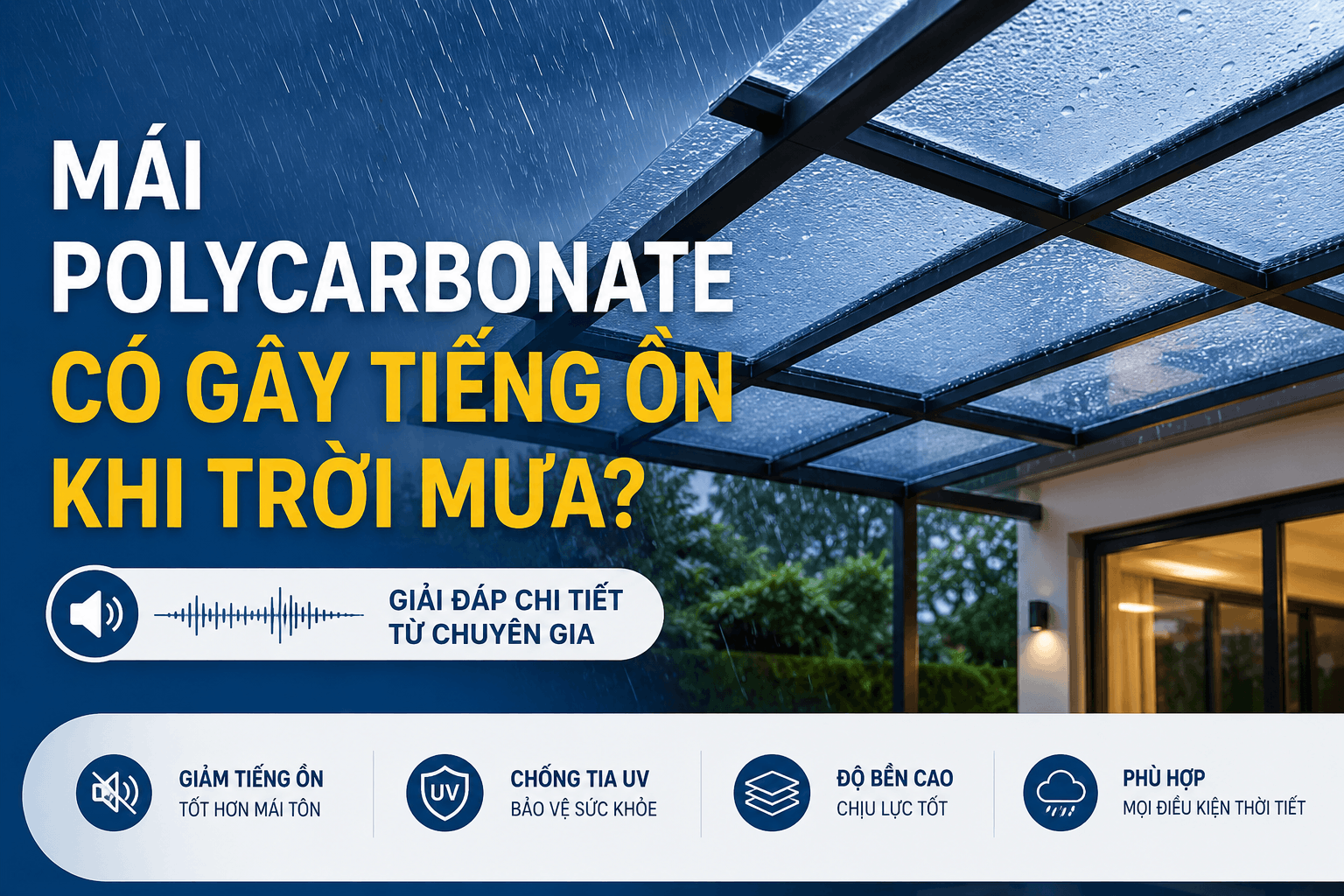
Does a Polycarbonate Roof Make Noise When It Rains?
When choosing a roofing material, many people consider factors such as light transmission, UV protection, durability, and especially the level of noise during rainfall.
Common questions include:
- Is a polycarbonate roof as noisy as a metal roof?
- How loud is the sound of rain on a polycarbonate roof?
- Are there ways to reduce rain noise during installation?
In this article, we'll explain the acoustic characteristics of polycarbonate roofing and the factors that affect rain noise.
Does a Polycarbonate Roof Make Noise?
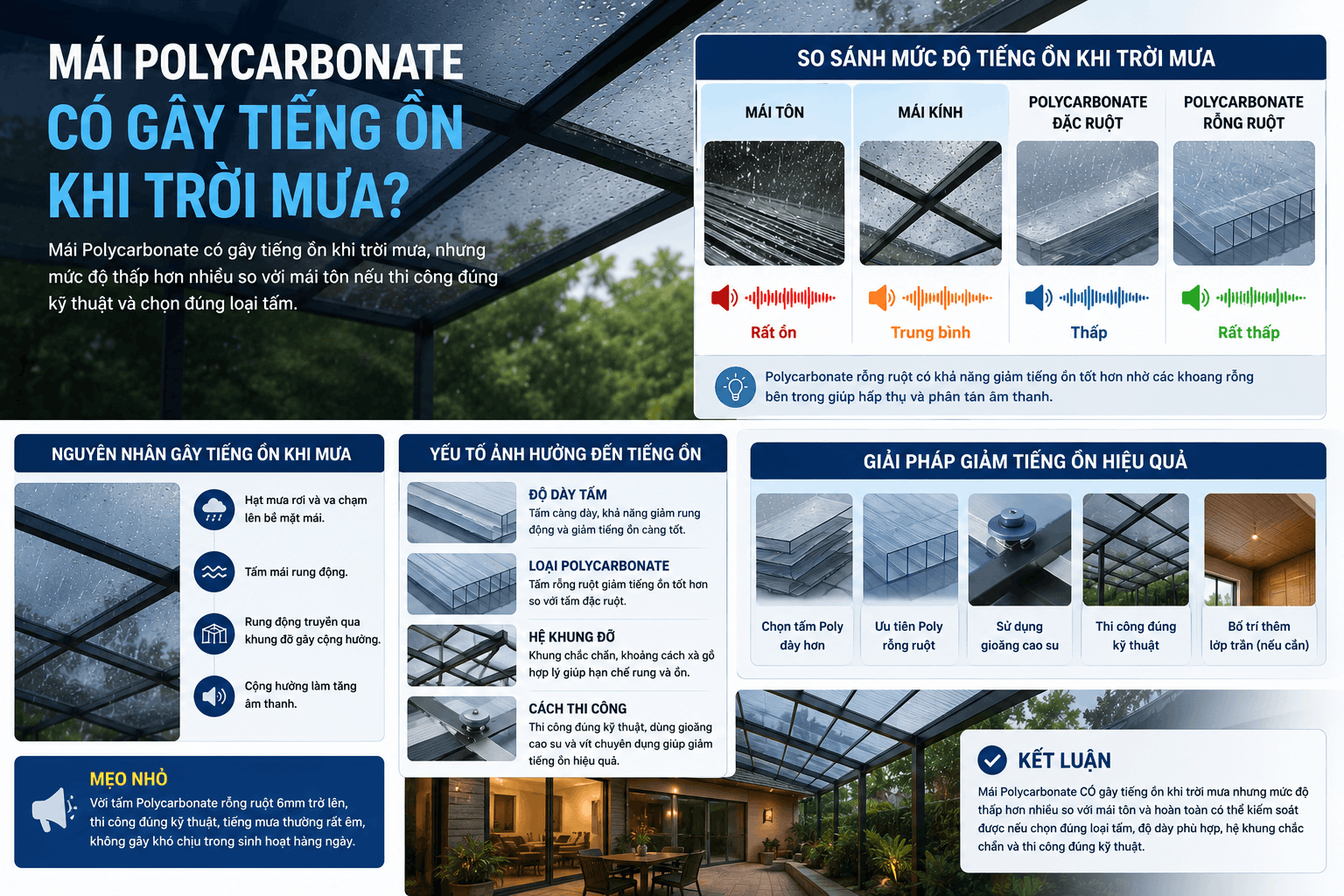
The answer is YES , but the noise level is significantly lower than that of metal roofing .
When raindrops hit the roof surface, the impact naturally produces sound. This happens with almost every roofing material.
However, polycarbonate has several properties that help reduce noise:
- Excellent flexibility
- Non-metallic material
- Better vibration absorption
As a result, polycarbonate roofs generate much less echo and resonance than metal roofing sheets.
Comparing Noise Levels of Different Roofing Materials
| Roofing Material | Noise Level During Rain |
|---|---|
| Metal Roofing | Very High |
| Tempered Glass | Moderate |
| Solid Polycarbonate Sheet | Low |
| Multiwall Polycarbonate Sheet | Very Low |
| Composite Roofing Sheet | Moderate |
In practice, multiwall polycarbonate sheets provide superior sound insulation because their internal air chambers act as acoustic cushions that reduce sound transmission.
Factors That Affect Rain Noise
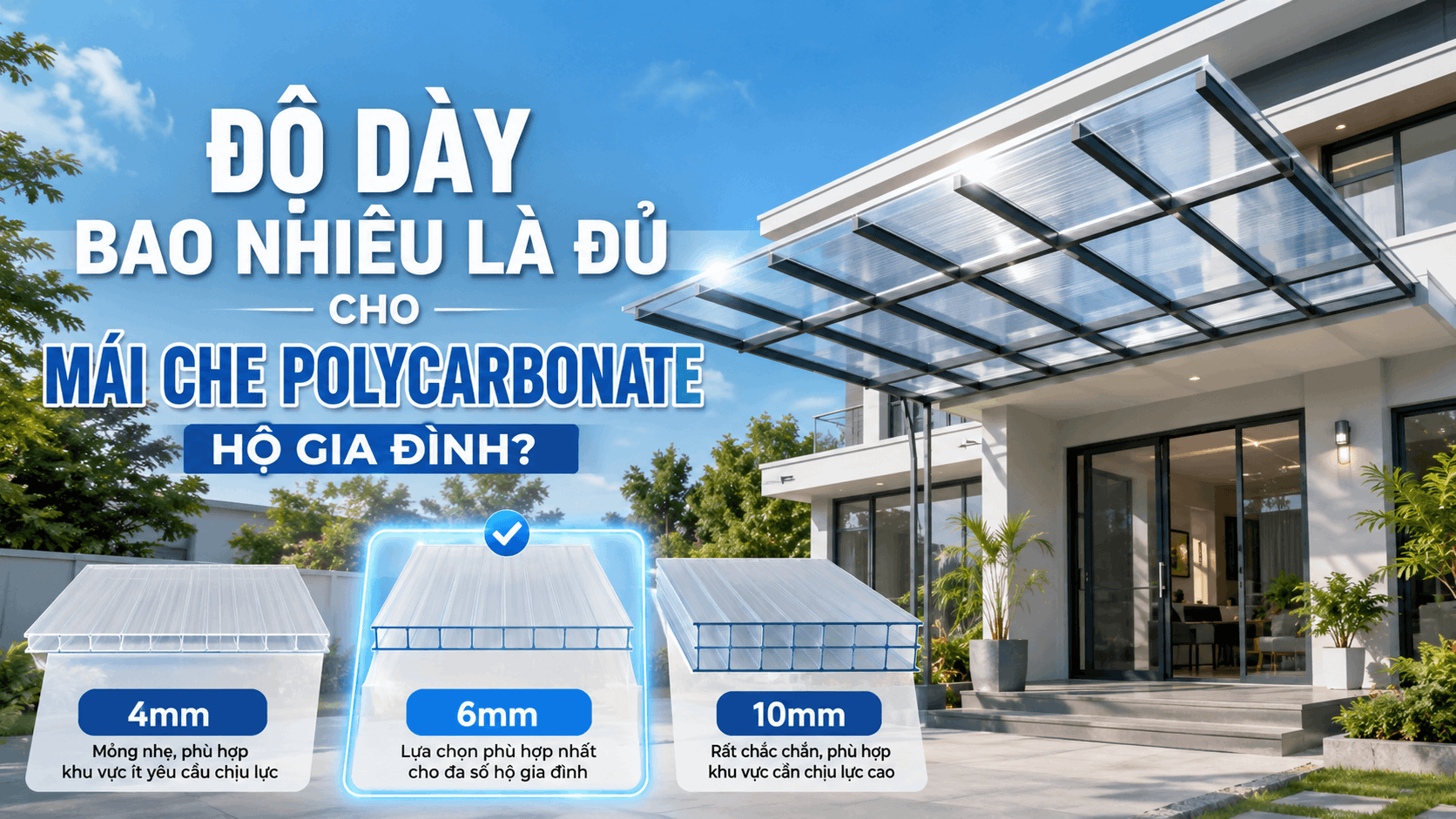
1. Polycarbonate Sheet Thickness
Thicker sheets absorb vibrations more effectively.
For example:
- 3 mm: Rain noise is more noticeable.
- 5 mm: Noise is significantly reduced.
- 6–10 mm: Very quiet.
- 16 mm or thicker: Excellent sound reduction.
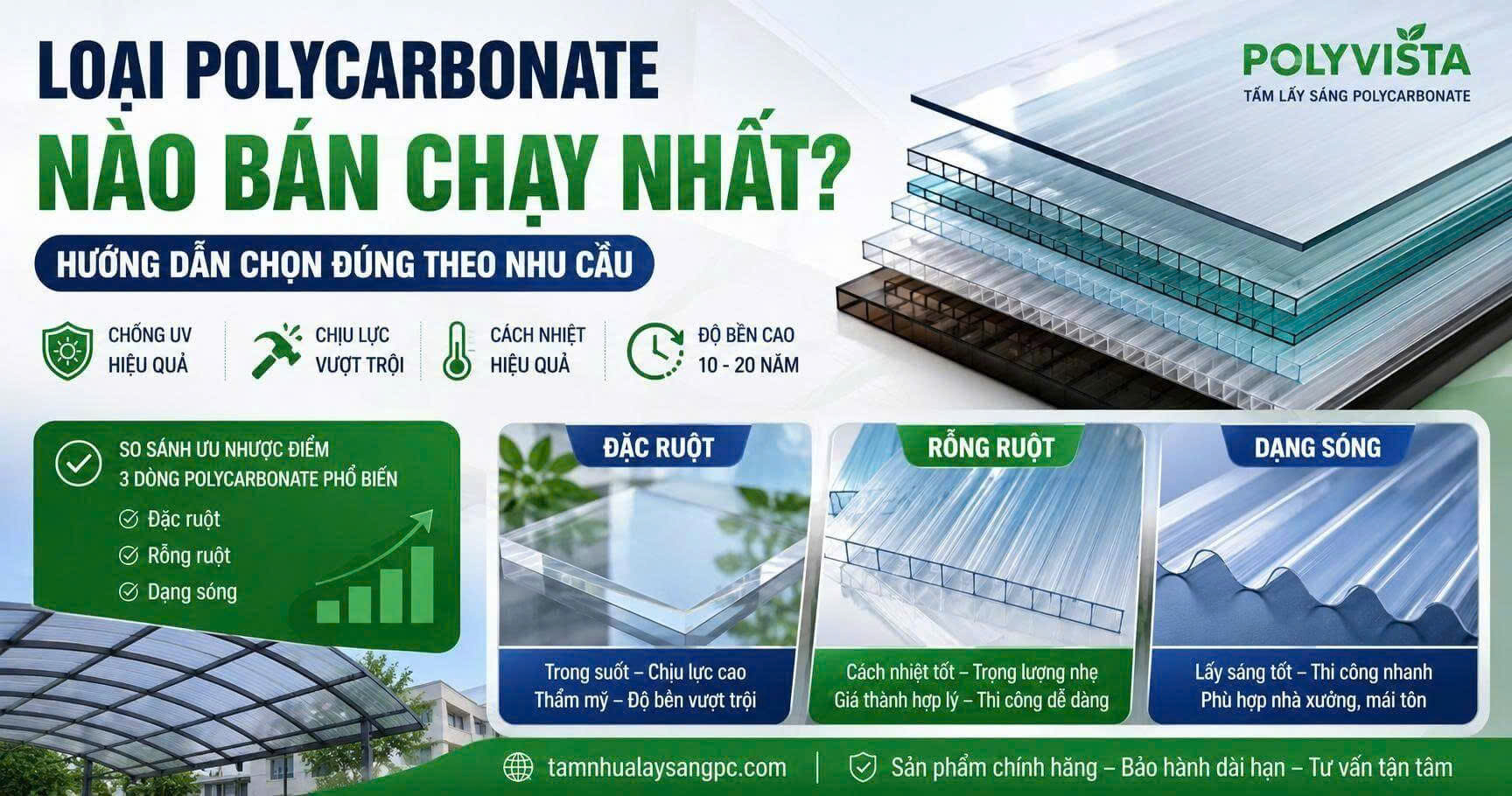
2. Type of Polycarbonate
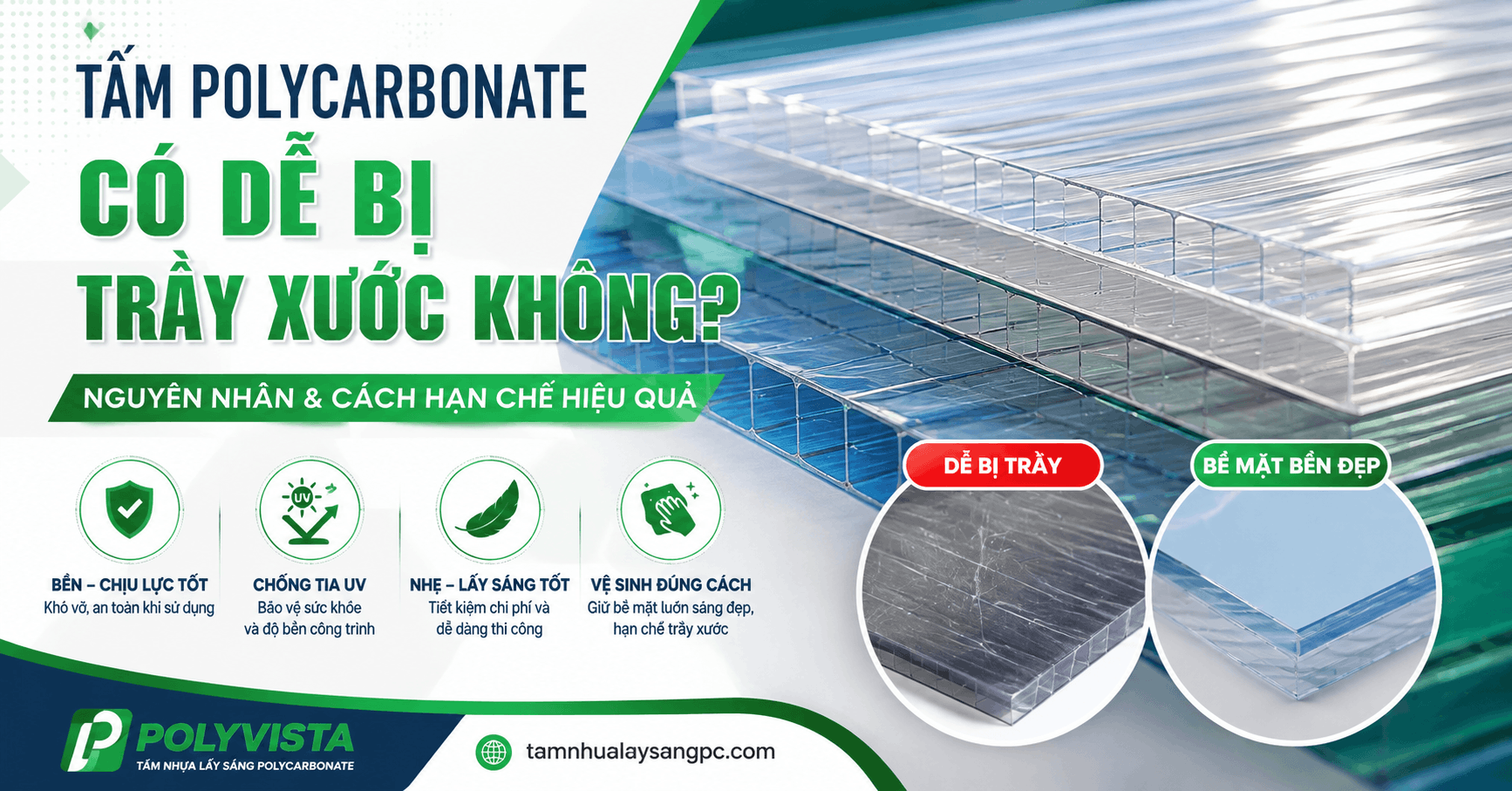
Solid Polycarbonate
- Rigid structure
- High impact resistance
- Quieter than glass roofing
Multiwall Polycarbonate
The internal air chambers help:
- Reduce sound transmission
- Minimize resonance
- Lower rain noise
This makes it an excellent choice for:
- Skylights
- Greenhouses
- Patio roofs
- Balconies
3. Supporting Framework
A weak frame or excessive spacing between purlins can cause the roof to vibrate more.
Excessive vibration may lead to:
- Louder rain noise
- Increased resonance
A sturdy support structure helps the roof remain stable and much quieter.
4. Installation Quality
A properly installed polycarbonate roof should:
- Remain stable
- Produce no rattling sounds
- Minimize vibration and resonance
Common installation mistakes include:
- Over-tightening screws
- Not using rubber washers
- Insufficient support members
- Excessive purlin spacing
These issues can significantly increase rain noise.
Is a Polycarbonate Roof as Noisy as a Metal Roof?
No.
Metal roofs easily amplify the sound of heavy rain because metal strongly reflects vibration.
Polycarbonate, on the other hand, absorbs part of the impact energy, resulting in a softer and more comfortable sound.
When installed correctly, rain noise on a polycarbonate roof is generally not disturbing in everyday living environments.
How to Reduce Rain Noise
Choose Thicker Polycarbonate Sheets
Greater thickness helps reduce vibration and improve sound insulation.
Use Multiwall Polycarbonate
The air chambers inside the sheet help reduce sound transmission, making it ideal for:
- Residential houses
- Cafés
- Greenhouses
- Resorts
Install Rubber Gaskets
Rubber gaskets help:
- Absorb vibrations
- Reduce impact noise
- Improve water sealing
Follow Proper Installation Practices
It is recommended to:
- Use appropriate purlin spacing
- Install dedicated polycarbonate screws
- Avoid over-tightening fasteners
- Leave sufficient expansion gaps according to the manufacturer's recommendations
Add an Interior Ceiling
For projects requiring excellent acoustic comfort, consider installing:
- Gypsum ceilings
- Aluminum ceilings
- Wooden ceilings
- Acoustic ceiling panels
These solutions further reduce rain noise while enhancing interior aesthetics.
Is Polycarbonate Roofing Suitable for Residential Homes?
Absolutely.
Besides producing less rain noise than metal roofing, polycarbonate offers many additional advantages:
- Excellent natural daylight transmission
- UV protection
- Lightweight
- High impact resistance
- Rust-free
- Easy to bend
- Long service life
- Reduced daytime lighting costs
It is widely used for:
- Patio covers
- Skylights
- Carports
- Rooftops
- Balconies
- Swimming pool covers
- Greenhouses
Installation Tips
To minimize noise and maximize service life:
- Choose genuine polycarbonate sheets.
- Select the appropriate sheet thickness for your roof size.
- Use compatible installation accessories.
- Follow professional installation standards.
- Periodically inspect screws and rubber seals after long-term use.
Conclusion
A polycarbonate roof does produce some noise during rainfall , but it is far quieter than metal roofing . With the right sheet type, suitable thickness, and professional installation, rain noise can be minimized even further.
If you're looking for a roofing solution that offers natural daylight, UV protection, durability, and reduced rain noise , polycarbonate is an excellent choice for both residential and commercial applications.