
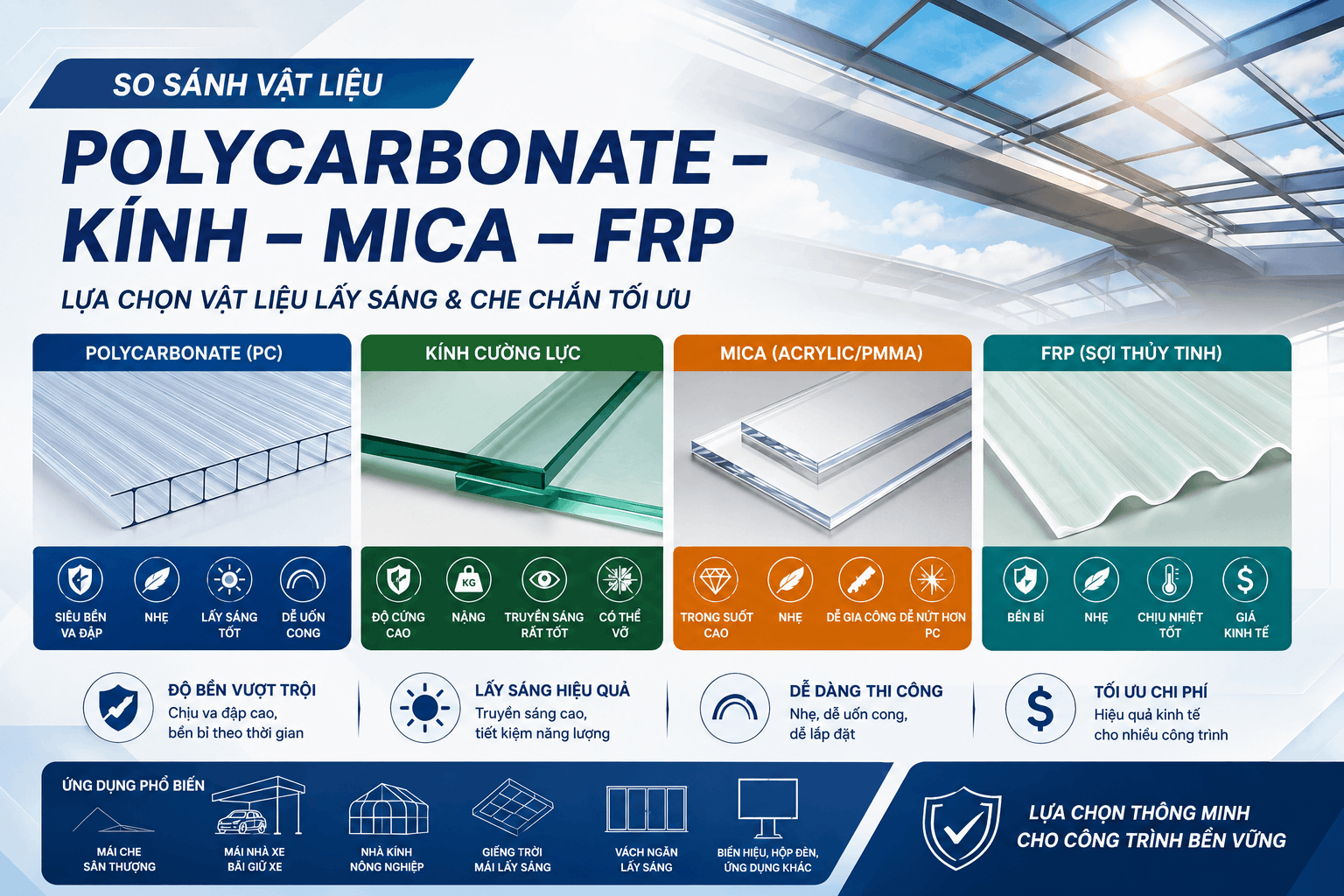
Polycarbonate (PC) sheets are engineering-grade materials widely used for canopies, partitions, greenhouses, signage, safety glazing, and applications requiring high impact resistance. Below is a comparison with other common materials:
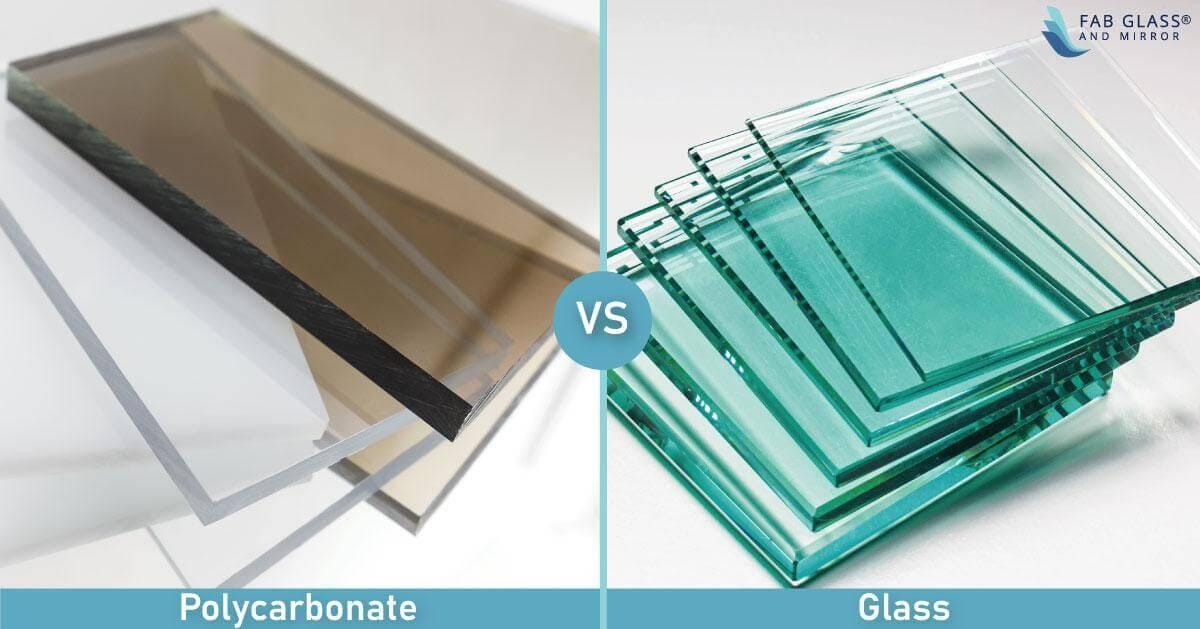
1. Polycarbonate vs. Glass
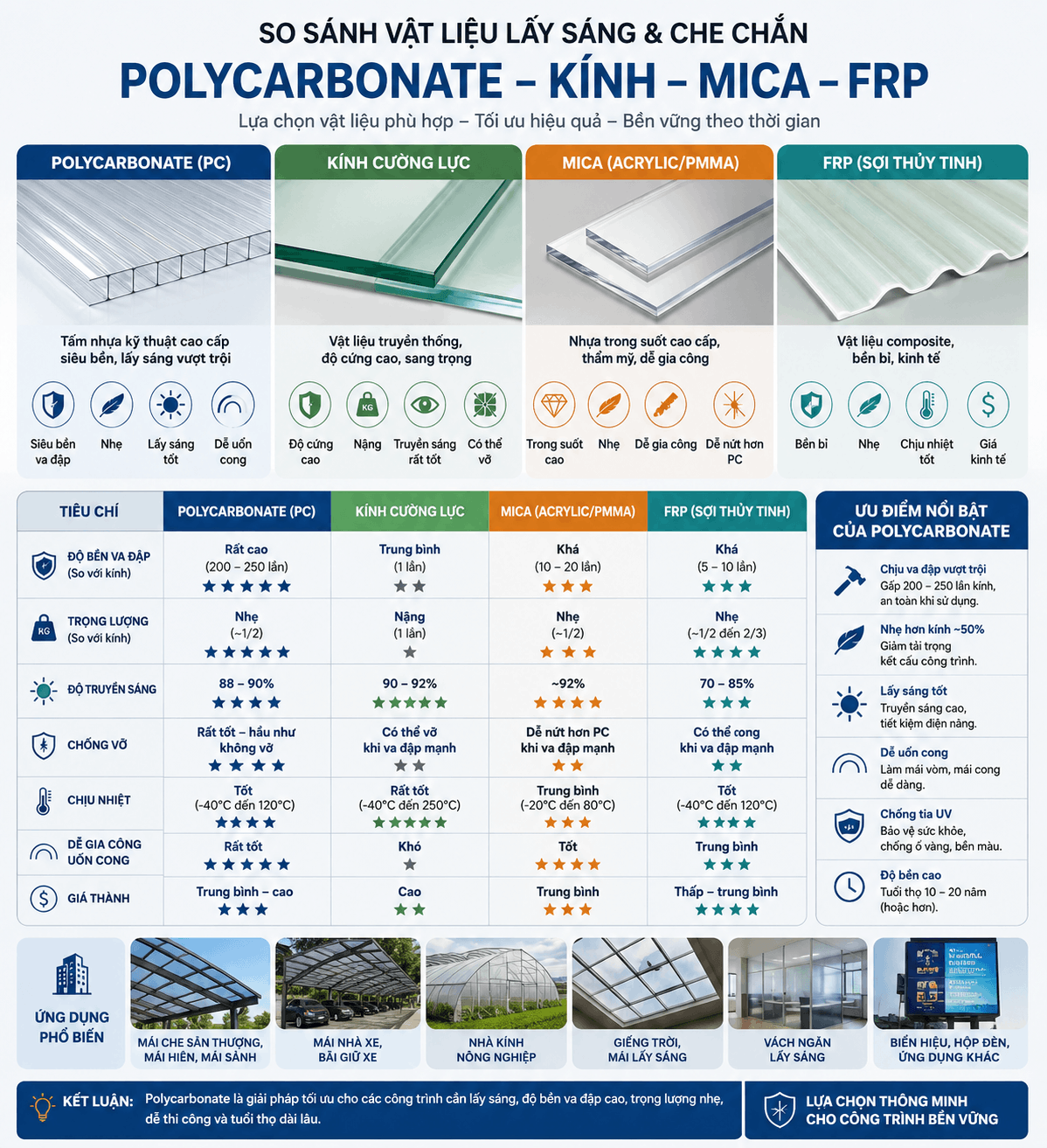
Advantages of Polycarbonate
- Much more impact-resistant and harder to break than glass.
- Approximately 50% lighter than glass.
- Safer in the event of impact.
- Easy to bend and shape for curved roofs and skylights.
Disadvantages
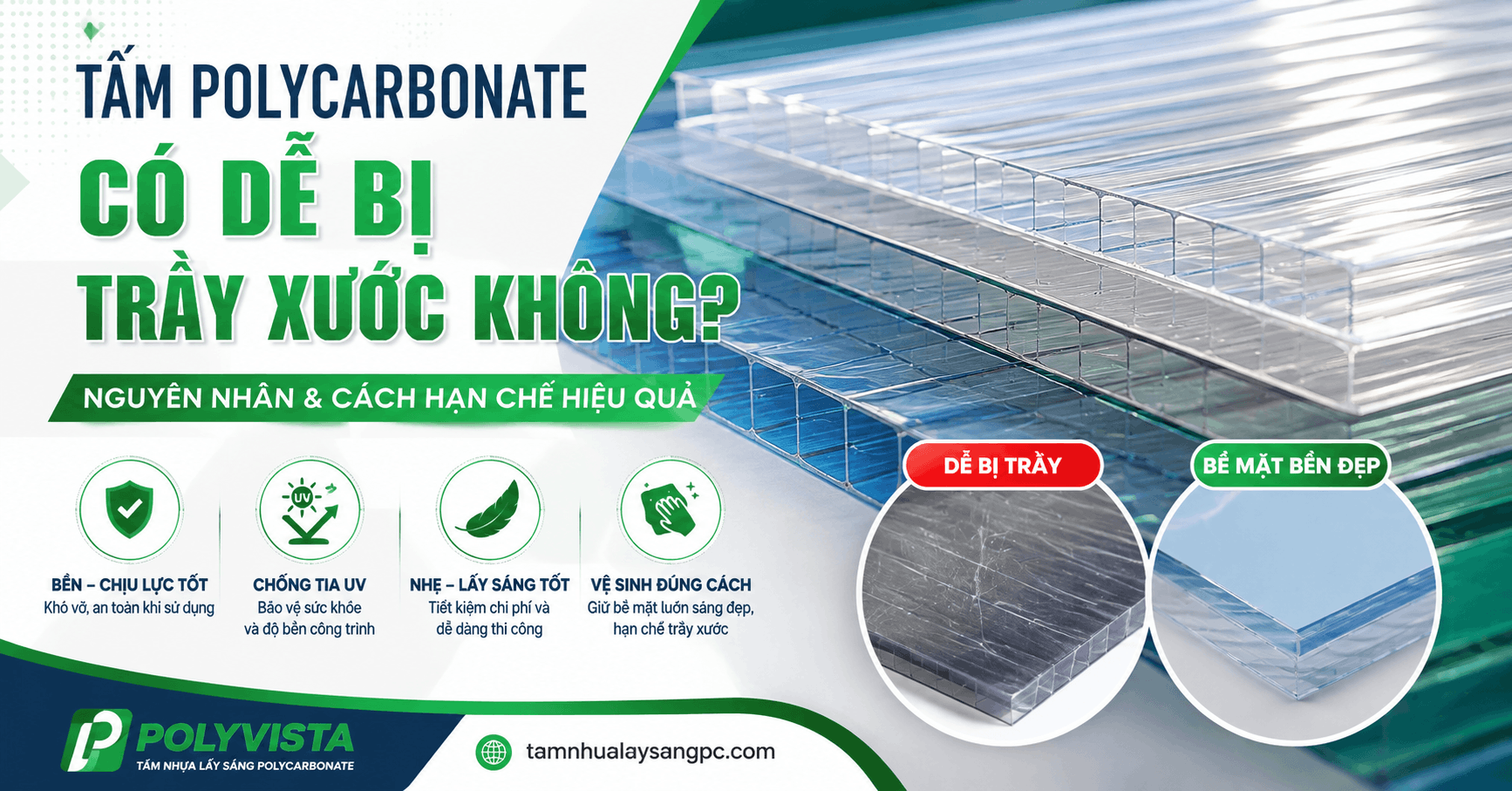
- More prone to scratching than glass.
- Can expand and contract with temperature changes.
- Generally offers less optical clarity and a less premium appearance than glass.
Choose Polycarbonate when: building canopies, skylights, carports, greenhouses, or in areas with a high risk of impact.
Choose Glass when: maximum transparency, aesthetics, and scratch resistance are priorities.
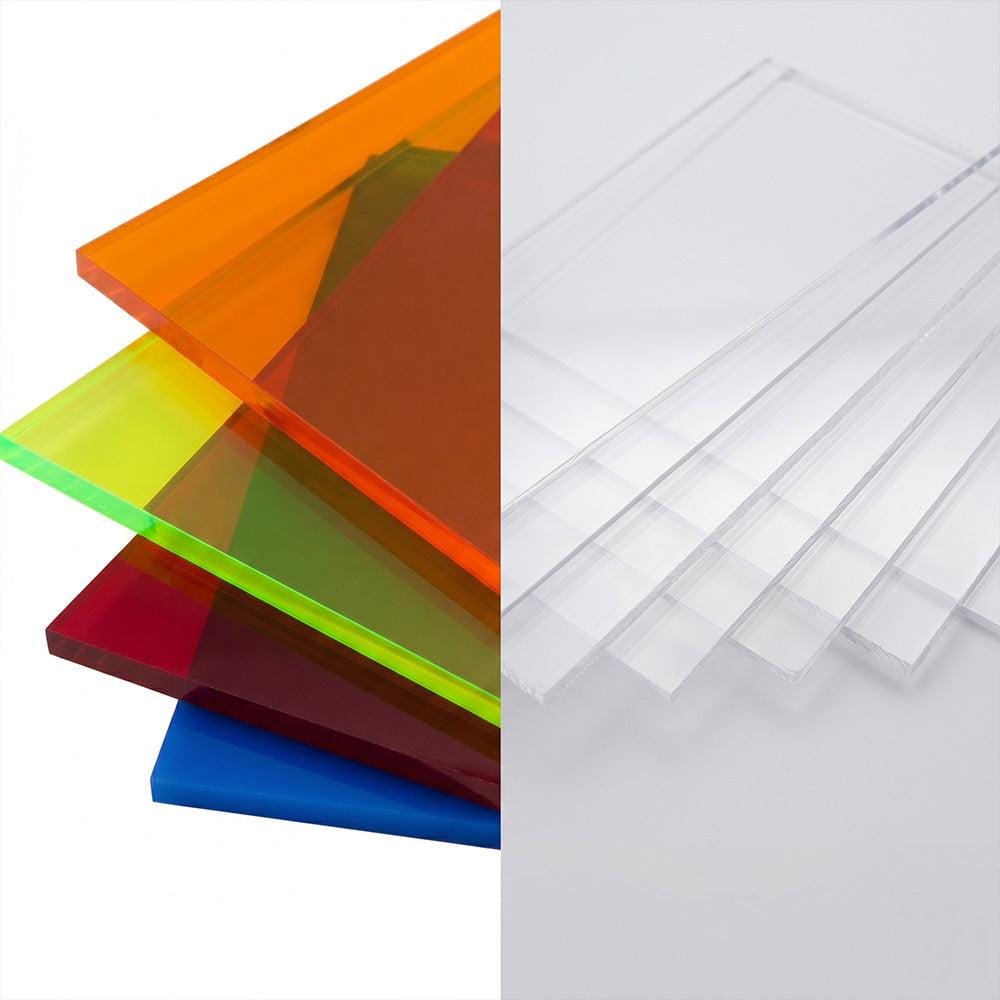
2. Polycarbonate vs. Acrylic (Plexiglass)
Polycarbonate
- Significantly better impact resistance.
- Less likely to crack when drilled or fastened with screws.
- Better heat resistance.
Acrylic
- Higher clarity and a glossier appearance.
- Better scratch resistance.
- Usually less expensive than solid polycarbonate sheets.
Choose Polycarbonate when: durability is critical, such as for roofing, protective barriers, and safety shields.
Choose Acrylic when: making signs, light boxes, displays, or interior decorative elements.
3. Polycarbonate vs. PVC
Polycarbonate
- Significantly more durable.
- Better resistance to heat and UV radiation.
- Longer service life.
PVC
- Lower cost.
- Easy to fabricate and install.
- Lower impact strength and transparency.
Choose PVC when: low cost and short-term use are the main priorities.
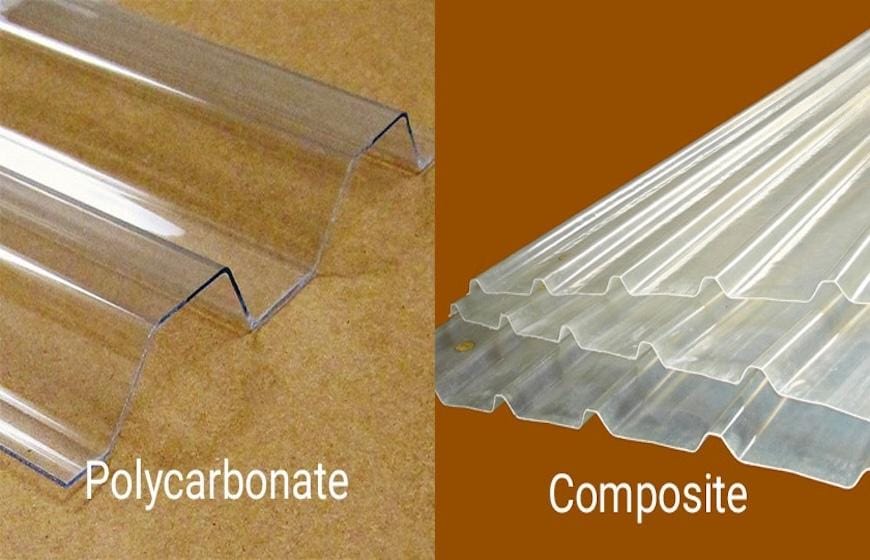
4. Polycarbonate vs. FRP (Fiberglass Reinforced Plastic)
FRP is a fiberglass-reinforced translucent roofing material commonly used in industrial buildings.
Polycarbonate
- Better transparency.
- More aesthetically pleasing.
- Less likely to yellow when equipped with a high-quality UV-protective coating.
FRP
- Usually more affordable.
- Better chemical resistance.
- Suitable for large industrial roofing projects
Common Types of Polycarbonate Sheets
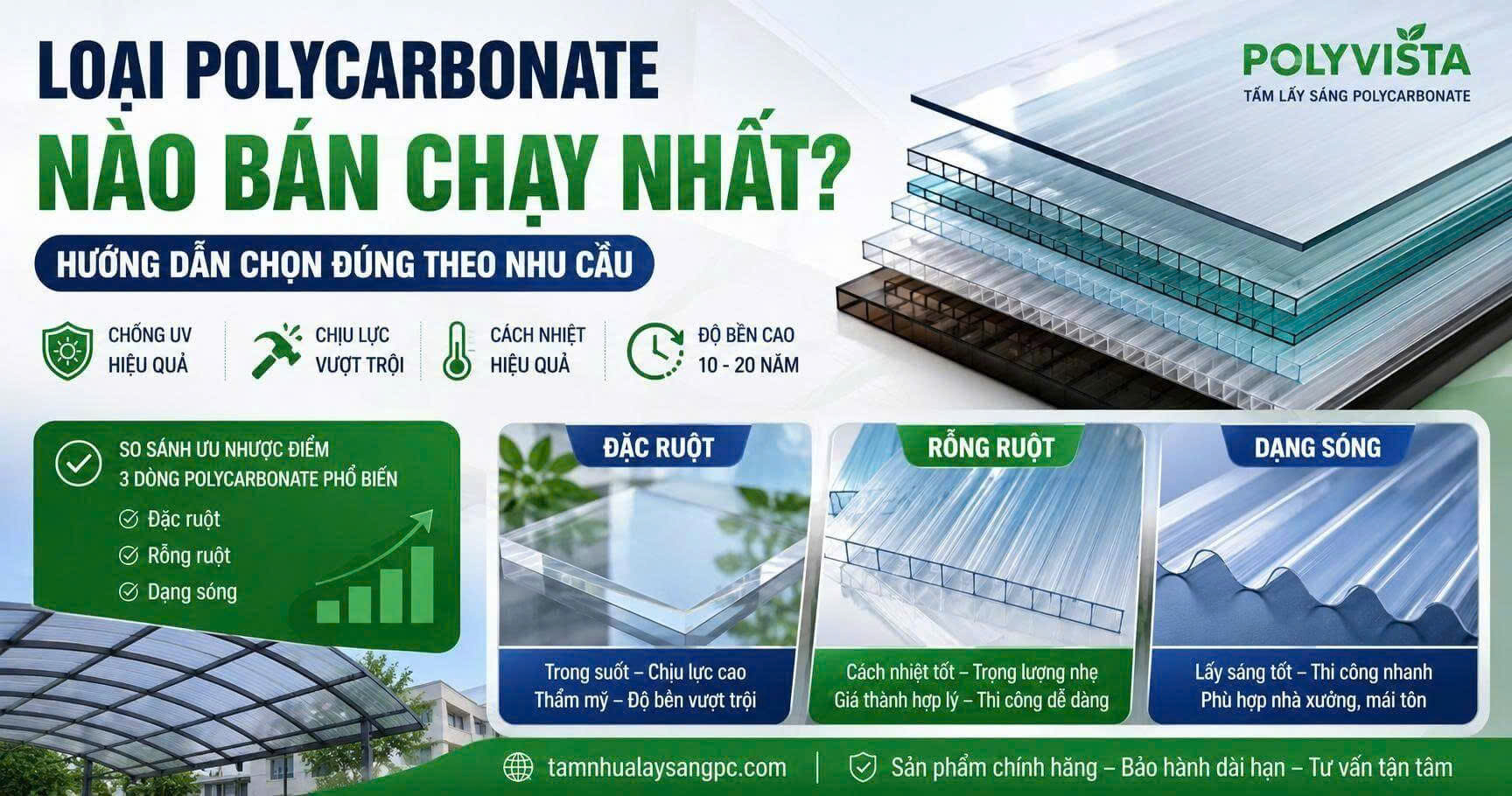
Solid Polycarbonate
- Similar appearance to glass but much lighter.
- Extremely high impact resistance.
- Commonly used for premium canopies, partitions, and safety glazing.
Multiwall Polycarbonate
- Features a multi-layer hollow structure.
- Better thermal insulation.
- More affordable than solid polycarbonate.
- Popular for greenhouses and daylight roofing applications.
Corrugated Polycarbonate
- Shaped similarly to metal roofing sheets.
- Easy to install on factory roofs, patios, and terraces.
Quick Summary
- Best durability and impact resistance: Polycarbonate.
- Best transparency and scratch resistance: Acrylic or Glass.
- Most economical option: PVC.
- Large industrial daylight roofing projects: FRP or Multiwall Polycarbonate.
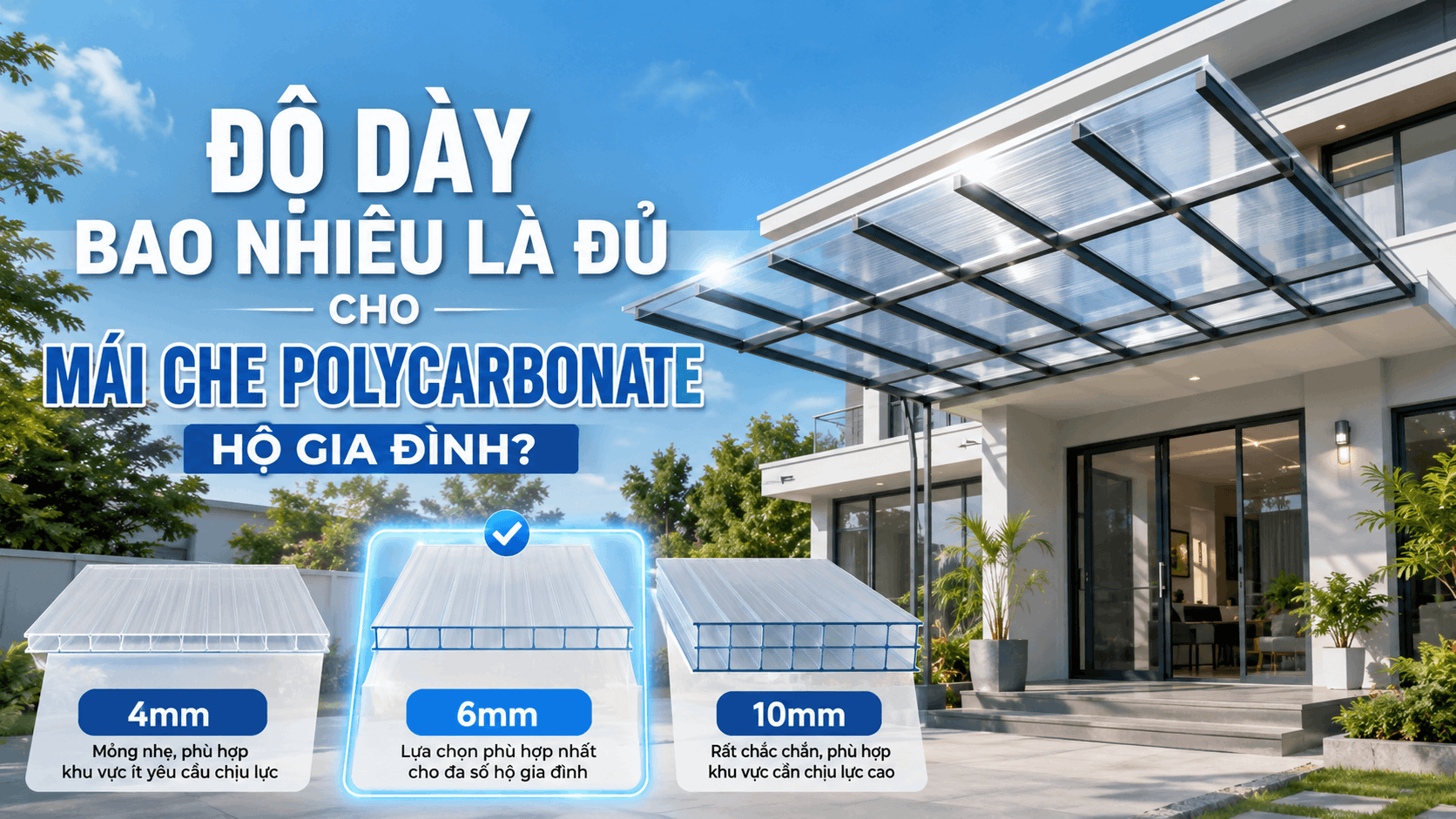
- Residential canopies, patios, and carports: Polycarbonate is often the most balanced choice in terms of durability, weight, and lifespan.
Read more: Polycarbonate Sheet Price List 2026