
How to Choose the Right Polycarbonate Sheet Thickness for Different Projects
When selecting Polycarbonate sheets , many people focus on color or price while overlooking one of the most important factors: sheet thickness .
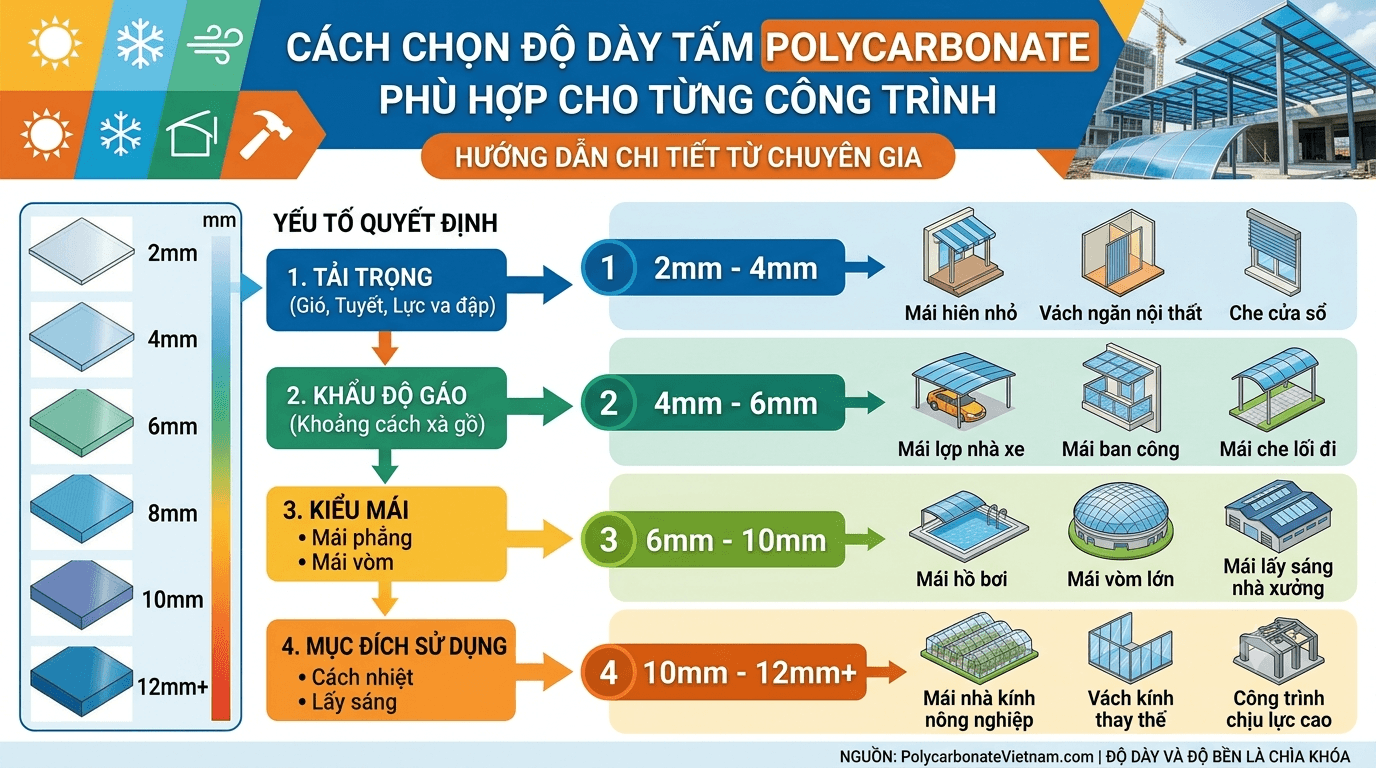
The right thickness not only improves durability and impact resistance but also helps optimize your investment. Different applications require different sheet thicknesses depending on structural support, environmental conditions, and expected loads.
In this guide, we'll help you determine the ideal Polycarbonate sheet thickness for various types of projects.
Why Is Choosing the Right Thickness Important?
Every Polycarbonate sheet thickness is designed for specific applications.
Choosing a sheet that is too thin may result in:
- Reduced structural strength
- Sagging between support frames
- Lower impact resistance
- Shorter service life
On the other hand, selecting a sheet that is thicker than necessary may:
- Increase material costs
- Add unnecessary weight to the structure
- Provide little additional benefit for smaller projects
Choosing the appropriate thickness ensures the best balance between performance, durability, and budget.
Common Polycarbonate Sheet Thicknesses
Polycarbonate sheets are commonly available in the following thicknesses:
- 2 mm
- 3 mm
- 4 mm
- 5 mm
- 6 mm
- 8 mm
- 10 mm
Thicker sheets are also available for specialized industrial and commercial applications.
Recommended Thickness for Different Applications
| Application | Recommended Thickness |
|---|---|
| Patio covers | 3–4mm |
| Garden canopies | 4–5mm |
| Carports | 4–6mm |
| Skylights | 6–8mm |
| Balconies | 4–6mm |
| Greenhouses | 6–8mm |
| Warehouses & factories | 8–10mm |
| Heavy-duty structures | 10 mm or thicker |
Note: These recommendations are for general reference. The ideal thickness also depends on frame spacing, roof span, wind load, and project design.
Choosing the Right Thickness by Project Type
Patio Covers
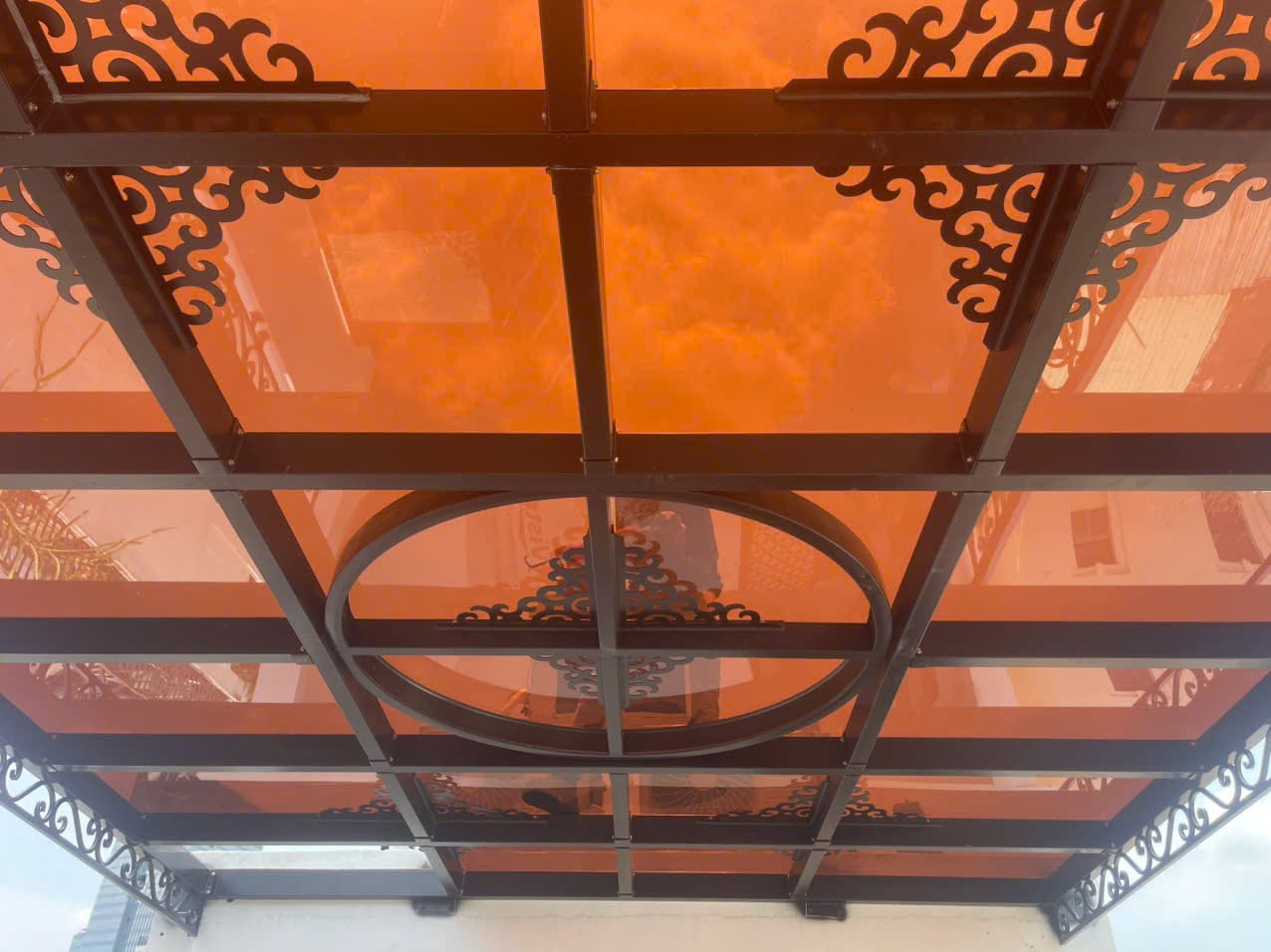
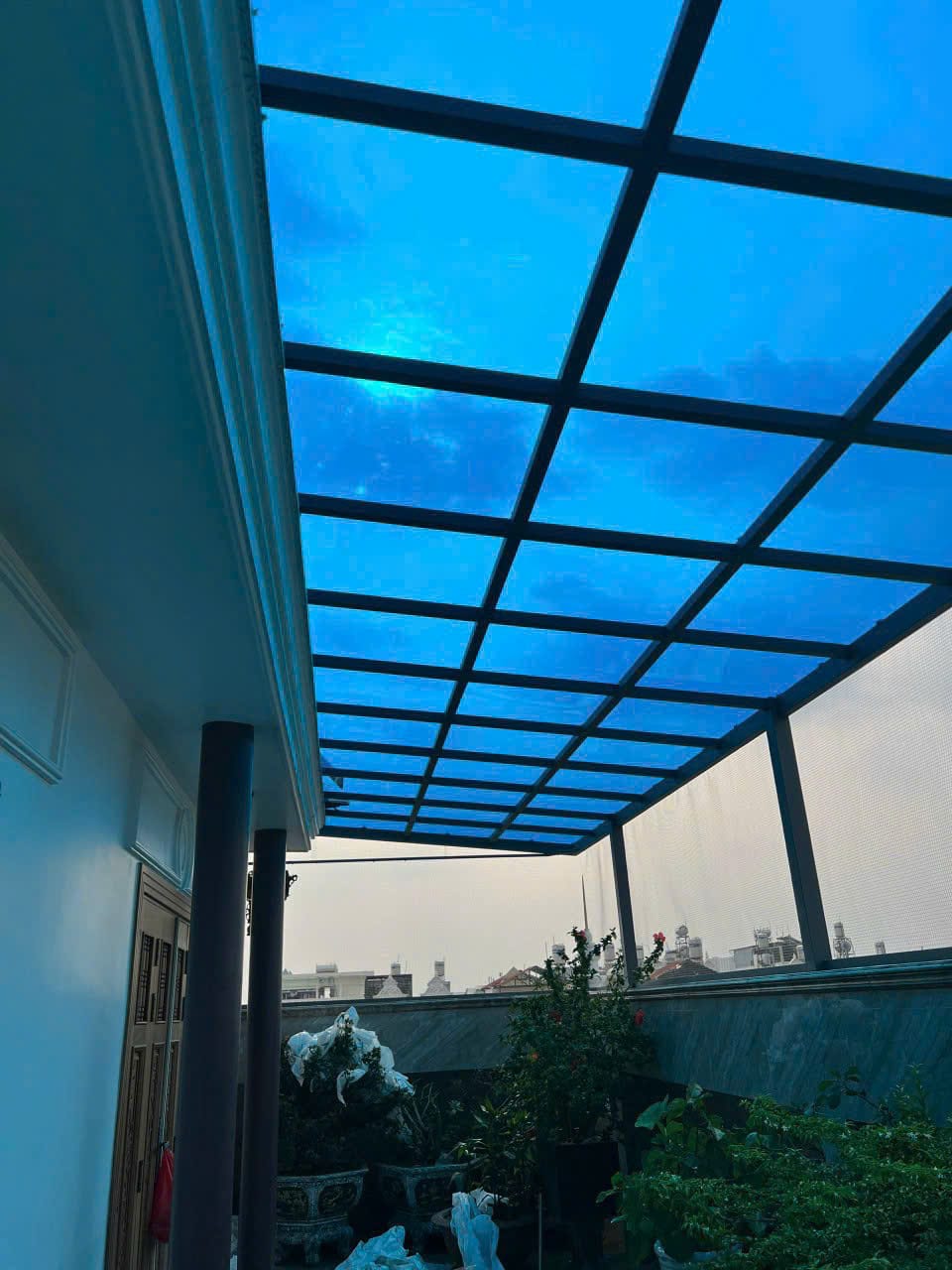
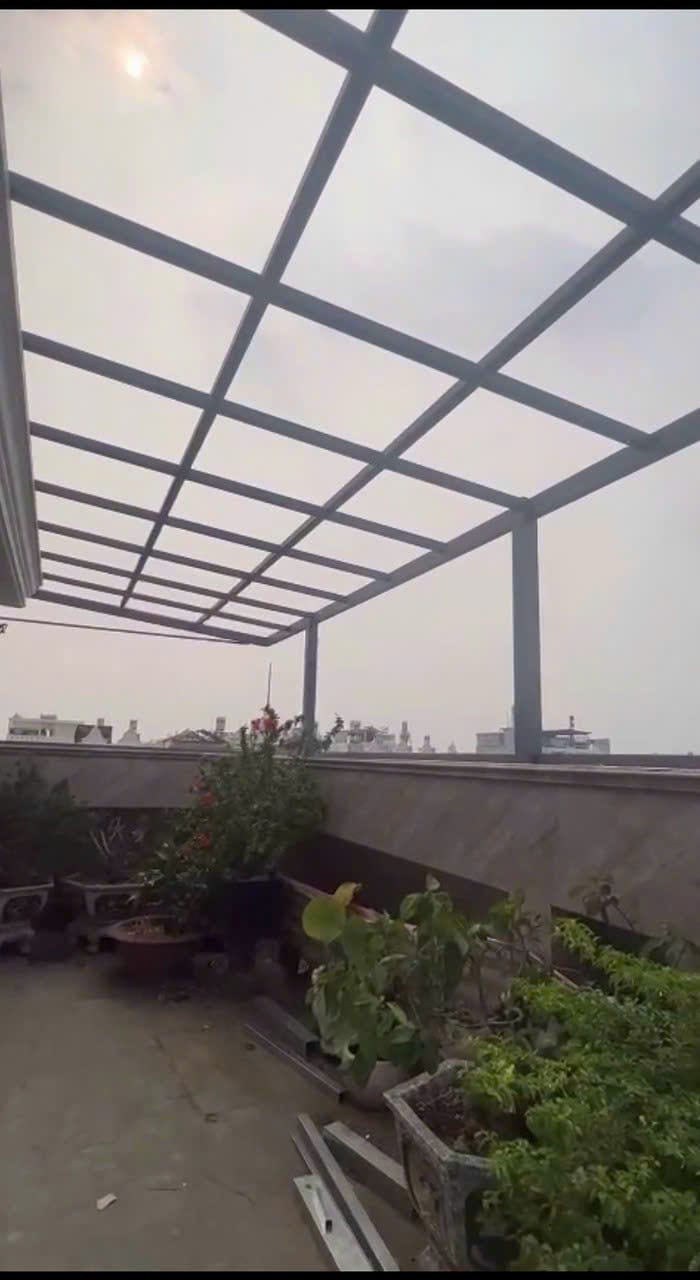
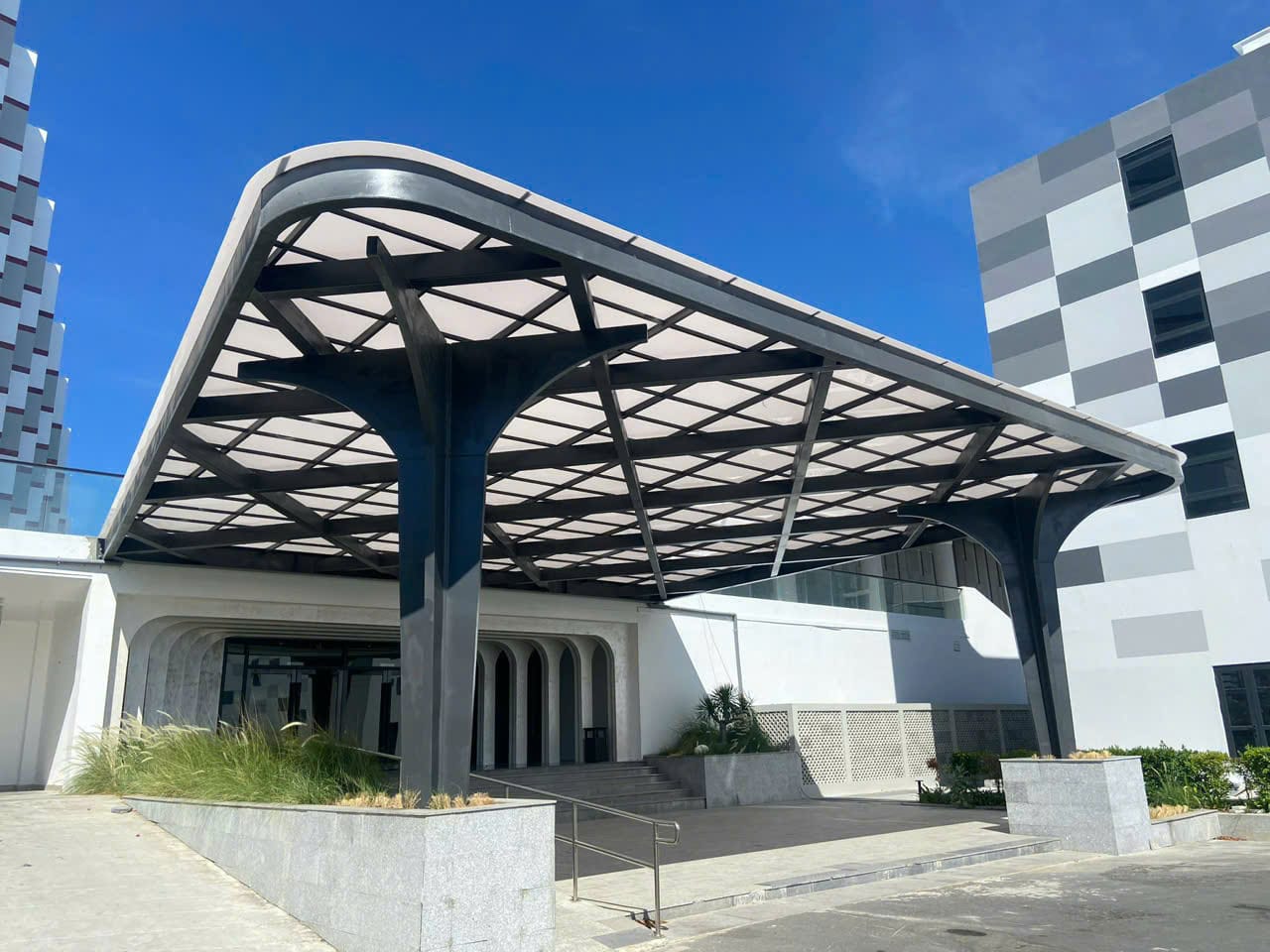
Patio covers are among the most common residential applications.
For small to medium-sized structures with adequate framing, 3–4 mm Polycarbonate sheets typically provide sufficient strength while maintaining excellent light transmission.
Carports
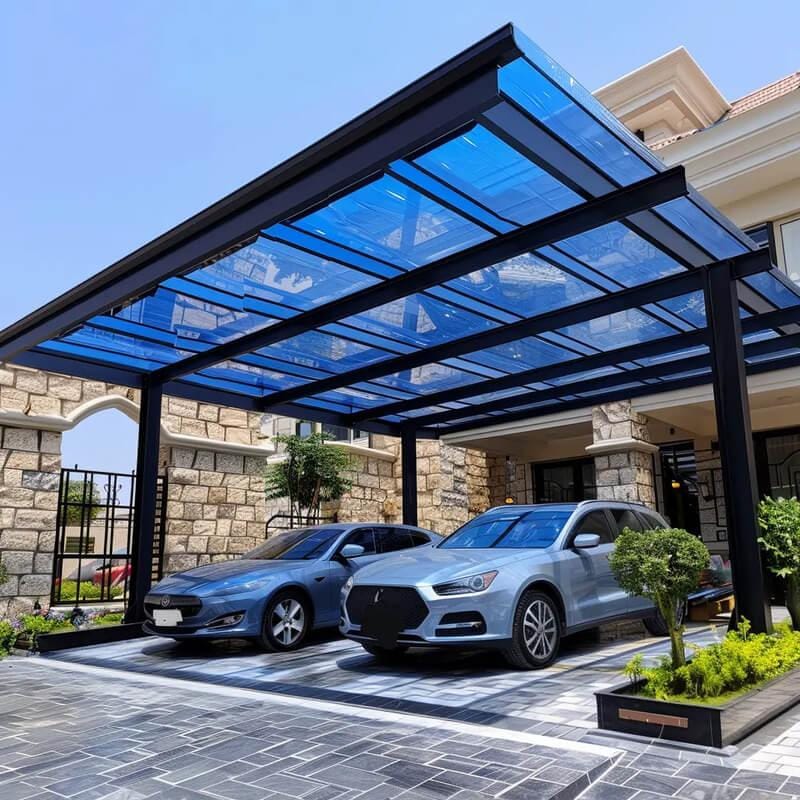
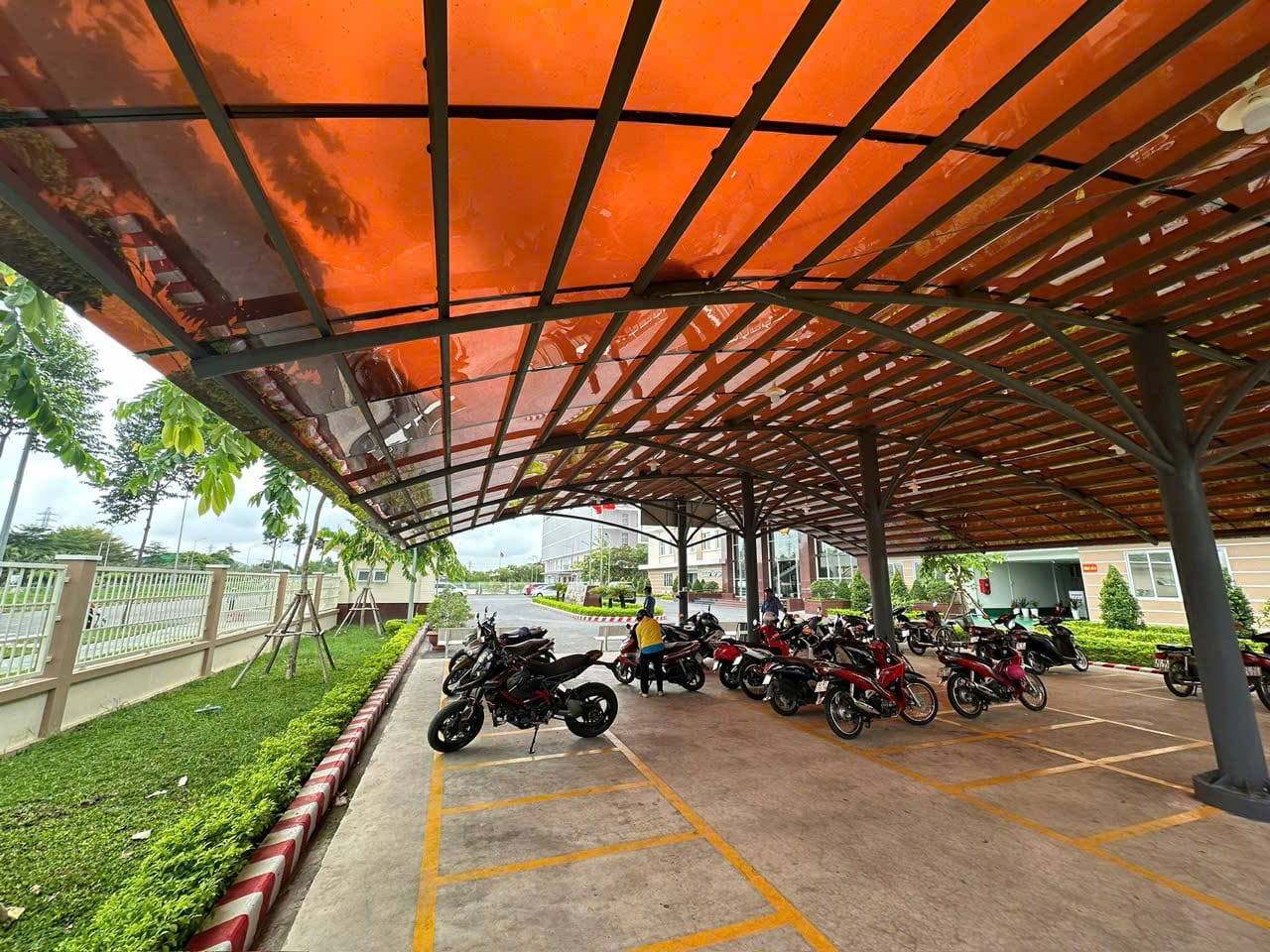
Carports generally have larger roof spans and require greater structural performance.
Sheets with a thickness of 4–6 mm help minimize sagging and improve resistance to heavy rain and strong winds.
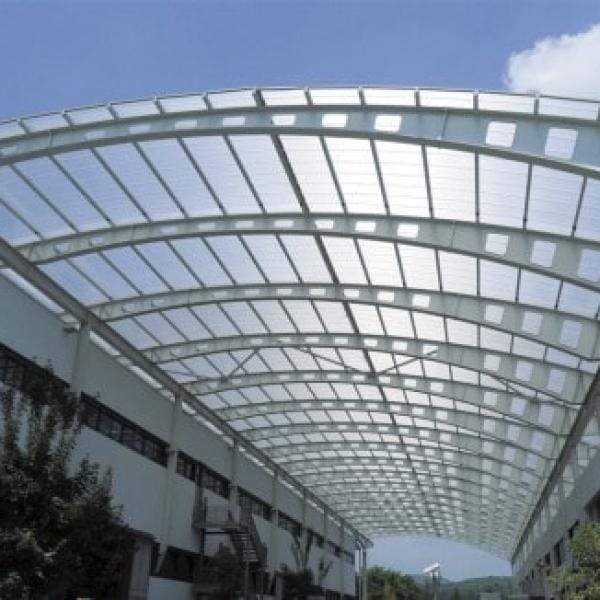
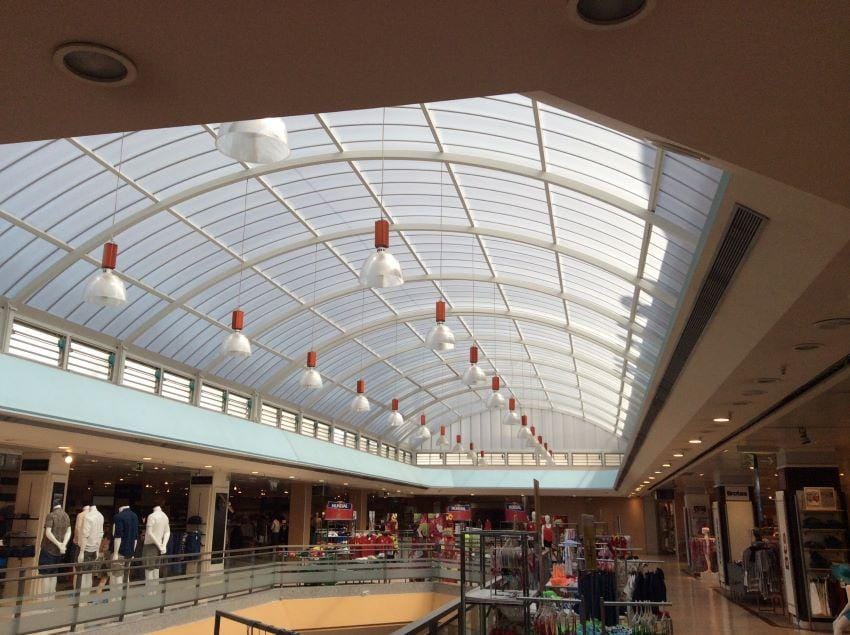
Skylights
Skylights are constantly exposed to sunlight and changing weather conditions.
Using 6–8 mm Polycarbonate sheets provides better thermal insulation, reduces rain noise, and improves long-term durability.
Greenhouses
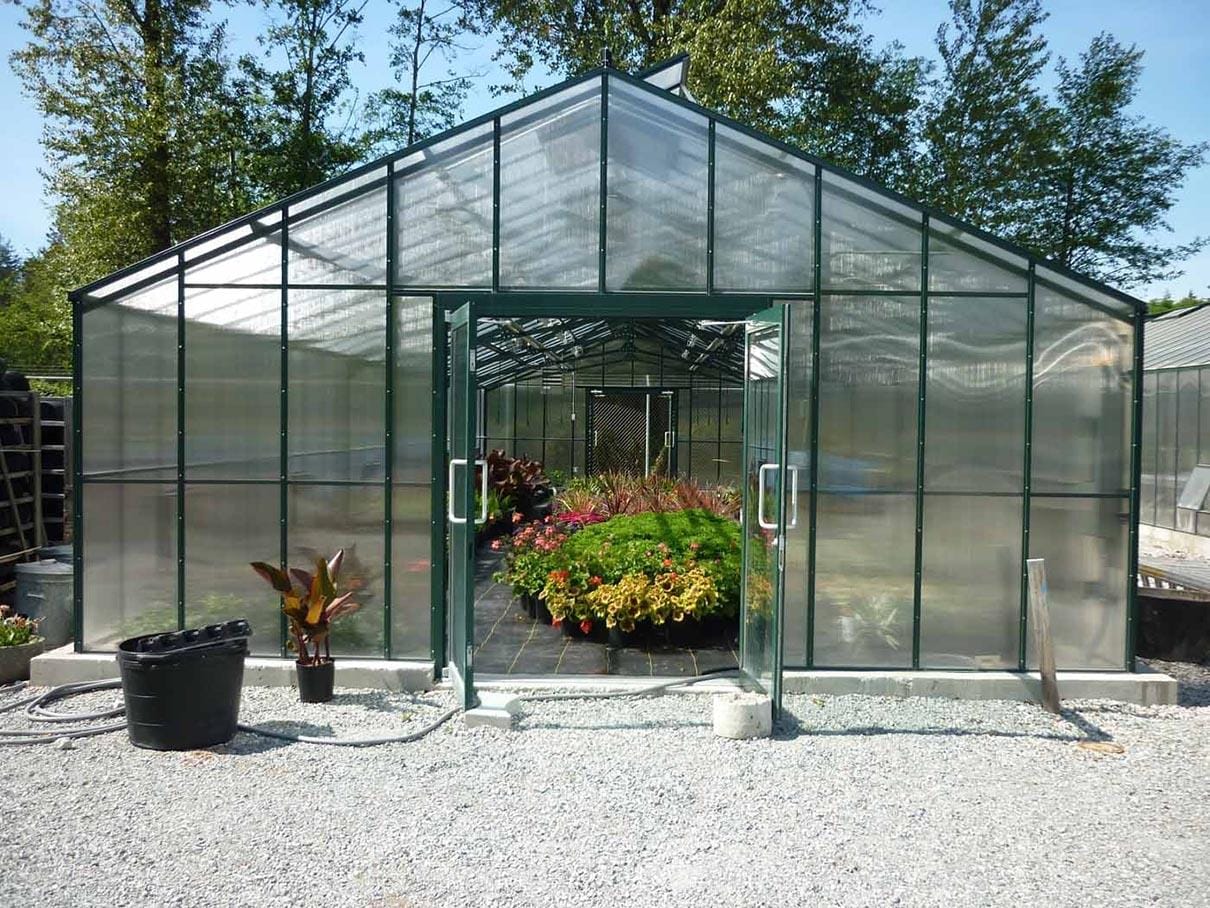
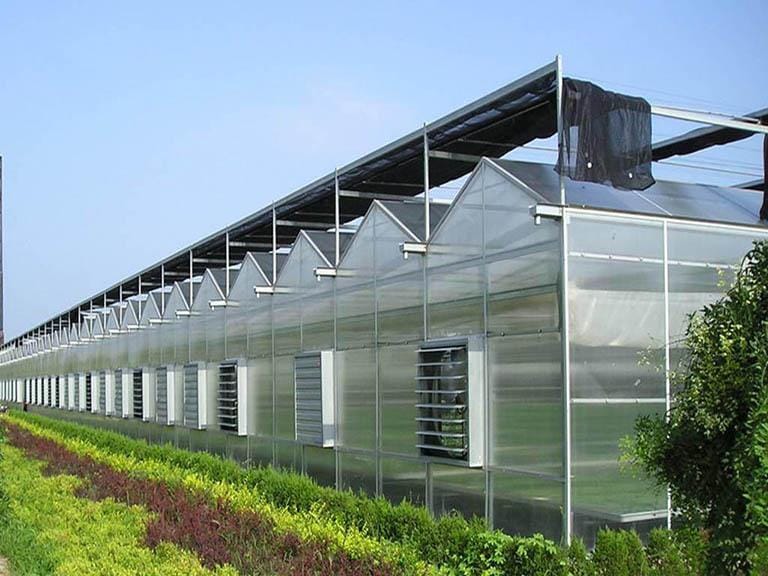
Greenhouses require materials that provide excellent light transmission while maintaining stable indoor temperatures.
6–8 mm multiwall Polycarbonate sheets are widely used because they offer lightweight construction, good insulation, and excellent impact resistance.
Warehouses and Commercial Buildings
Large commercial buildings often experience higher wind loads and require stronger roofing materials.
Polycarbonate sheets with a thickness of 8–10 mm or more offer greater rigidity and longer service life for these demanding applications.
Factors to Consider When Selecting Sheet Thickness
Besides the intended application, consider the following:
- Support frame spacing
- Roof span
- Wind exposure
- Building location
- Type of Polycarbonate sheet (solid, multiwall, or corrugated)
- Project budget
Evaluating these factors helps ensure optimal performance and long-term reliability.
Is a Thicker Sheet Always Better?
Not necessarily.
Many people assume that thicker sheets always provide better performance. However, for smaller residential applications such as patio covers or entrance canopies, using an unnecessarily thick sheet may only increase costs without delivering significant additional benefits.
The best choice is selecting the thickness that matches your project's actual requirements.
Conclusion
Choosing the right Polycarbonate sheet thickness is essential for ensuring durability, safety, and long-term performance.
Whether you're planning a patio cover, skylight, carport, greenhouse, or industrial roofing project, selecting the appropriate thickness will help maximize both performance and value.
If you're unsure which Polycarbonate sheet is best for your project, the team at TamNhuaLaySangPC.com is always ready to provide professional advice and help you find the most suitable solution. Contact hotline: 0356488152
Browse our range of polycarbonate sheets: